Digital Transportation Program & Certificate
The courses in this program:
explore how digital transformation and emerging information technologies (especially Agentic AI) foster innovation to achieve a competitive edge in the transportation industry.
are customized based on the specific transportation industry (e.g., air, rail, truck, auto, ship), and the backgrounds and objectives of the candidates.

This 4-course customized program (described below) prepares IT professionals and non-IT executives to lead at the intersection of transportation and digital technology. Participants will learn to:
- Analyze transportation industry trends and align cloud Transportation Management Systems (TMS) and digital freight ecosystems with business strategy
- Deploy fleet telematics, IoT sensors, and Agentic AI-driven route optimization, and assess readiness for autonomous vehicles and drone-assisted logistics
- Modernize back-office operations through ERP, yard management systems, paperless logistics (eBOL), and RPA in freight workflows
- Design passenger transit and Mobility-as-a-Service (MaaS) experiences, including contactless fare collection and real-time passenger information systems
- Govern transportation IT investment, balance CapEx/OpEx, ensure cyber resilience, and guide ESG/sustainable fleet strategy

The following are the descriptions of the 4 courses for this program:
1. The Transportation Industry Trends and Issues
The transportation, logistics, and mobility sectors are undergoing profound shifts driven by supply chain volatility, decarbonization mandates, and rapid digital disruption. Designed for transportation, freight, and transit executives, this course explores the commercial, regulatory, and technological forces shaping modern mobility. Participants will evaluate emerging business models, cloud Transportation Management Systems (TMS), Multi-Cloud Governance platform ecosystems, and strategic business-IT alignment required to build resilient, sustainable, and cost-effective transport networks.
Key Focus Areas: Global Transportation Macro Trends & Digital Strategy; Cloud TMS & Digital Freight Ecosystems; Multimodal Interoperability & Carrier Collaboration; ESG, Carbon Footprint Tracking, & Fleet Electrification; Strategic Business-IT Alignment; Supply Chain Visibility & Disruption Management.
2. Fleet Telematics, AI Route Optimization, & Autonomous Logistics
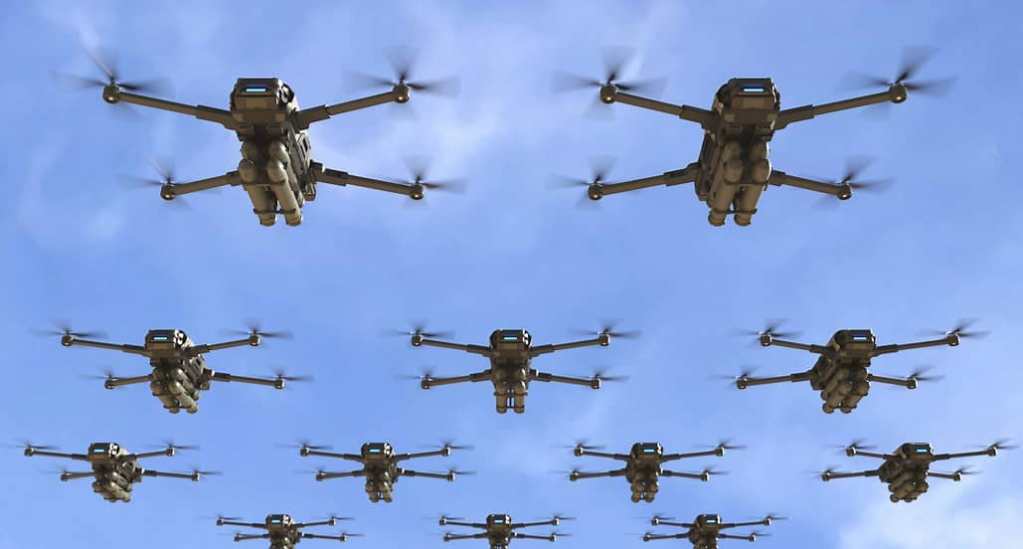
Modern fleet and freight management requires moving beyond basic location tracking to intelligent, real-time asset optimization. This course focuses on the strategy, selection, and deployment of telematics, IoT sensors, and AI-driven fleet platforms. Transportation leaders will learn to implement predictive maintenance, automated driver safety coaching, dynamic AI route optimization, and evaluate readiness for autonomous commercial vehicles and drone-assisted last-mile logistics.
Key Focus Areas: Advanced Fleet Telematics & IoT Asset Tracking; AI Dynamic Routing & Load Matching Engines; Predictive Fleet Maintenance & Anomaly Detection; Autonomous Vehicle (AV) & Drone Logistics Integration; Driver Safety Analytics & EV Telematics Optimization; ELD Compliance & Asset Utilization Metrics.
3. Back-Office Operations, Logistics Tech, & Terminal Automation
Operational efficiency in digital transportation depends on seamless synchronization between enterprise back-office platforms, yard management, and automated terminal facilities. This course provides executives with actionable strategies to modernize internal operations, eliminate throughput bottlenecks, and slash administrative overhead. Participants will evaluate next-generation ERP and Warehouse/Yard Management Systems (WMS/YMS), autonomous freight auditing, digital bills of lading (eBOL), agentic AI workflows, and zero-trust cybersecurity frameworks required for modern supply chain resilience.
Key Focus Areas
Enterprise ERP, Freight Accounting, & Billing Automation: Streamlining financial clearing, automated freight auditing, and dynamic billing architectures to eliminate administrative leakage.
Yard Management (YMS) & Automated Terminal Operations: Implementing real-time asset tracking, gate automation, and autonomous terminal execution systems to maximize asset utilization.
Paperless Logistics (eBOL, Digital Customs, & Smart Contracts): Accelerating cross-border and intermodal trade via standardized eBOL adoption, digital customs clearing, and smart contract settlement.
RPA & Agentic AI for Back-Office Freight Workflows: Deploying autonomous AI agents and robotic process automation to handle complex exception management, scheduling, and document processing.
Port & Hub Digital Twins: Leveraging spatial computing and real-time operational simulation to optimize port congestion, vessel turn-times, and hub capacity planning.
TSA & Maritime Cyber Resilience Mandates (Zero Trust Integration): Securing critical transport infrastructure by enforcing strict Zero Trust architectures and complying with updated TSA and maritime cybersecurity regulations.
4. Passenger Transit, Mobility-as-a-Service (MaaS), & Smart Cities
Public transit, aviation, and urban mobility providers face shifting commuter behaviors and expectations for frictionless multimodal travel. This course examines the strategy, technology, and analytics required to deliver modern passenger experiences. Transportation and municipal leaders will evaluate Mobility-as-a-Service (MaaS) platforms, contactless open-loop fare payment systems, real-time passenger information (RTPI) networks, and dynamic transit scheduling.
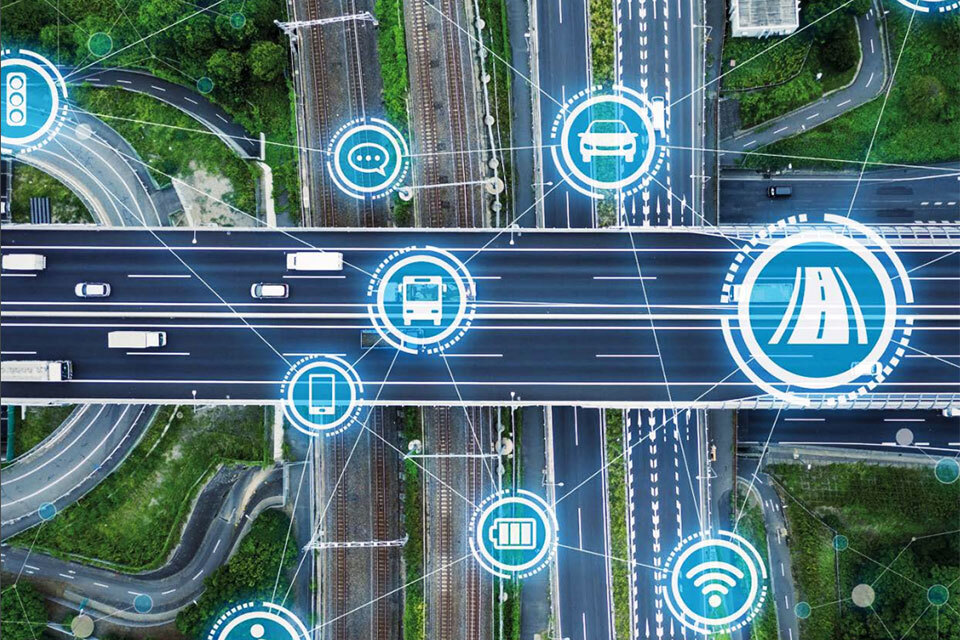
Key Focus Areas: Mobility-as-a-Service (MaaS) & Multimodal Integration Platforms; Contactless Open-Loop Fare Collection & Digital Wallets; Real-Time Passenger Information (RTPI) & Crowd Analytics; Dynamic Route Planning & On-Demand Transit Scheduling; Smart City Infrastructure & Connected Vehicle (V2X) Communications; Passenger Data Privacy & Security Governance.

Individual customized course for senior level executives
As transportation, logistics, and transit organizations accelerate digital transformation, technology investment is no longer just an operational expense—it is a central driver of network efficiency, customer retention, and margin optimization. Operating in a highly regulated, capital-intensive, and volatile market requires senior executives across both business and technology functions to jointly govern IT resources, manage operational risk, and foster cross-functional harmony.
Designed specifically for senior transportation leaders, logistics executives, and technology officers, this course provides the strategic frameworks, governance models, and decision-making tools necessary to maximize the value of transportation technology investments. Participants will evaluate how to establish decision rights, balance CapEx and OpEx technology investments, ensure cybersecurity resilience, and capitalize on disruptive digital capabilities—especially AI and fleet automation—to scale business operations and lower total cost-to-serve.
Program Format: Live / Synchronous (In-Person or Online) | 20 Contact Hours (Ten 2-hour executive modules)
Target Audience: C-Suite Executives (CEO, COO, CIO, CTO, Chief Logistics Officer, CFO), VPs, Managing Directors, and Regional Directors across Freight, Logistics, Rail, Aviation, Maritime, and Public Transit
Key Executive Focus Areas
Cross-Functional Business-IT Alignment: Formulate unified digital strategies that directly align technology investments with asset utilization, on-time delivery metrics, and operating margins.
Governance, Structure, & Sourcing Models: Establish robust governance frameworks, SaaS vendor management strategies, and clear accountability structures across fleet operations and corporate IT.
Strategic Deployment of Transportation AI & Automation: Evaluate the ROI, risks, and operational impact of Generative AI in dispatch, automated freight matching, and autonomous logistics infrastructure.
Maximizing Financial IT Value & Capital Allocation: Apply executive frameworks to evaluate Total Cost of Ownership (TCO), manage CapEx/OpEx allocation, and measure return on investment (ROI) across multi-asset tech deployments.
Cyber Resilience, Critical Infrastructure, & Compliance: Protect organizational resilience by establishing robust cybersecurity postures, TSA/DHS compliance, and maritime security frameworks across global transport networks, including Multi-Cloud Governance.
ESG & Sustainable Fleet Strategy Governance: Guide executive strategy for integrating carbon accounting software, EV fleet routing, and sustainable supply chain initiatives.
Executive Leadership & Change Management: Lead organizational transformation and foster collaborative partnerships between operational leads, fleet managers, and technical teams.
- Courses from the Supply Chain Management Program should also be considered
- We also offer the flexibility to integrate courses from other programs with a tailored focus on the Transportation sector.