
More about GIIM's Digital Transportation Program
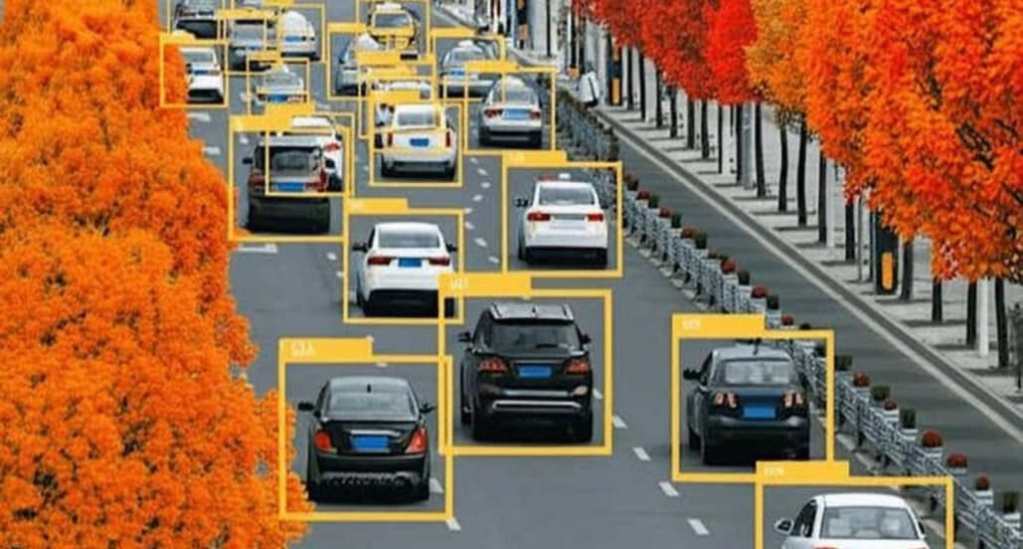
Transportation is not what it was even a few years ago. Understanding emerging information technologies and their impact on the transportation industry, and the roles and responsibilities of IT and non-IT stakeholders in leveraging these emerging technologies in light of the digital transformation, will be at the heart of all of the courses.
The Digital Transportation Certificate focuses on the use of IT to enhance the strategic, tactical, and operational elements across the transportation industry value chain.
Airline Value Chain
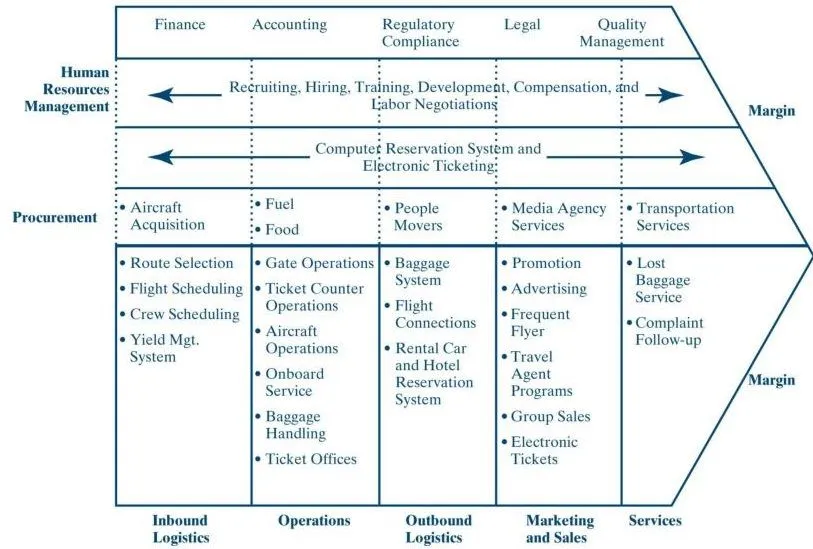
Transportation is vital to our society’s proper functioning, providing mobility of people, goods, and services. It enables people to access job markets and participate in recreational, cultural, educational, and social activities, let alone enable/drive industry value chains. Moving people and products to their destination in time for their use is essential in today’s fast-paced world. The transportation field is also a major contributor to the economy, as a consumer of resources and as a supplier of jobs. IT, especially in light of emerging information technologies, is fundamental to transportation.
As artificial intelligence reshapes how transportation organizations operate and compete, the central question is no longer whether AI will replace human capability, but how leaders will integrate the strengths of both to unlock new levels of innovation, productivity, and enterprise value. The future is not a choice between humans or AI; it is a leadership challenge of orchestrating the best of both.
GIIM’s programs are designed precisely for this moment. They equip transportation leaders to harness the combined potential of human intelligence and artificial intelligence, ensuring each amplifies the other to drive measurable business impact.

Examples of AI’s impact on improving efficiencies, accuracy, & accessibility, especially related to MaaS (Mobility as a Service)


1. Autonomous Driving & Next-Gen Vehicle Operations
Autonomous Vehicles (AVs) & Driverless Transport: Level 4/5 passenger robotaxis, autonomous long-haul freight trucks, and uncrewed aerial delivery drones that operate safely without human intervention.
Computer Vision & Telematics Safety: Driver Monitoring Systems (DMS) that analyze facial cues to prevent fatigue and distracted driving, paired with real-time collision-avoidance systems.
Generative Simulation Environments: Using AI to generate millions of edge-case driving scenarios (e.g., severe weather, erratic pedestrians) to train AV models faster and safer in virtual settings.
2. Smart Mobility & Conversational Travel/Passenger Experience
Multimodal Mobility & Micro-Routing Apps: Ride-hailing, transit, and navigation apps that use predictive AI to instantly stitch together multi-step journeys (combining trains, scooters, and ride-shares) based on real-time delays.
Agentic AI Travel Assistants: Generative AI agents capable of end-to-end trip planning, booking, flight rebooking during cancellations, and personalized itinerary management via natural language.
Hyper-Personalized Customer Experience: Dynamic price optimization, custom loyalty rewards, and automated AI resolution for baggage tracking or refund inquiries.
3. Dynamic Scheduling, Routing, & Fuel Efficiency
Dynamic, Real-Time Route Optimization: Moving beyond static GPS to AI systems that adjust routes continuously for weather, fuel prices, toll rates, and sudden congestion to minimize transit time.
AI-Driven Eco-Driving & Fuel Optimization: Telematics models that optimize speed profiles, throttle controls, and vehicle aerodynamics to reduce carbon emissions and cut fleet fuel consumption.
Adaptive Staff & Vehicle Dispatching: AI models that dynamically match driver shifts, charging/refueling slots, and vehicle availability to fluctuating real-time passenger or cargo demand.
4. Intelligent Traffic Infrastructure & Enforcement
Smart Traffic Management & Flow Optimization: Sensor- and camera-driven traffic signals that adjust light cycles dynamically to clear bottlenecks, grant priority to emergency vehicles, and reduce urban idling.
AI-Powered Automated Law Enforcement: Automated vision systems that detect red-light violations, speeding, lane infractions, distracted driving (e.g., phone use while driving), and seatbelt non-compliance.
Smart Parking Systems: Real-time predictive mapping that guides drivers directly to open parking spots or loading zones, reducing urban congestion.
5. Predictive Maintenance & Asset Health
IoT & Acoustic Predictive Maintenance: Deep learning algorithms analyzing IoT sensor data, sound patterns, and vibrations to predict component failures (e.g., brake wear, subway track defects, engine degradation) before breakdowns occur.
Generative Maintenance Assistants: AI layers that allow mechanics and technicians to query vehicle diagnostic logs, repair manuals, and historical fleet issues using natural language.
EV Fleet Battery Optimization: Monitoring battery health, thermal management, and optimizing charging cycles to extend electric vehicle fleet lifespans.
6. Autonomous Freight, Warehousing, & Supply Chain Orchestration
Agentic Supply Chain Orchestration: Autonomous AI agents that monitor global supply chain disruptions (e.g., port closures, weather) and automatically reroute shipments or renegotiate supplier orders without human delay.
Load & Space Optimization: Computer vision and ML models that evaluate freight volume and weight to calculate the optimal loading configuration for shipping containers and trailers.
Automated Warehouse & Last-Mile Robotics: Autonomous Mobile Robots (AMRs) and cobots using vision AI for automated inventory picking, sorting, and last-mile parcel sorting.
Customs & Trade Compliance Automation: Natural language processing models that automatically review shipping manifests, process customs documentation, and flag regulatory compliance risks at borders.
The global transportation and logistics sector stands at a pivotal inflection point, propelled by an unprecedented wave of digital transformation. From autonomous vehicle technology and AI-driven supply chains to real-time IoT tracking and electrification, every mode of transport—road, rail, air, and maritime—is evolving rapidly. Major freight and fleet operations are actively deploying automated, connected systems and shifting human operators into strategic supervisory roles, fundamentally reshaping the industry’s workforce and operating models.
While regulatory adaptation and economic timing have paced initial rollouts, the full impact of digital transportation is nearing a critical tipping point. Experts note that widespread disruption is imminent, with automated technologies and smart fleets set to reconfigure millions of traditional logistics roles by 2030.
Yet, this shift is not merely about automation—it is about unprecedented efficiency, enhanced safety, reduced carbon footprints, and continuous innovation. By proactively equipping workforce talents with next-generation digital skills, adopting AI-driven strategies, and fostering strong public-private leadership, the transport industry can unlock extraordinary growth. The future of mobility is connected, intelligent, and sustainable—and those who embrace this digital evolution today will lead the global economy toward a safer, smarter, and more resilient tomorrow!
What Managers Need To Know
Transportation functions in a very complex environment which, at the beginning of the 21st Century, is characterized by constant change in the technological, regulatory, and legal frameworks. Transportation professionals must not only be able to meet the technological challenges of new systems and emerging technologies, but they must also be capable of fitting these systems into the social, economic, and physical environments in a manner that improves the quality of life for all stakeholders, while ensuring competitive advantage.


Management Competencies
Customized Programs
Naturally, having accurate, accessible, secure data is fundamental to a successful AI initiative, thus providing additional topics addressed in this program. This certificate will prepare candidates to help integrate their value chain through leading edge IT strategies and services. It is appropriate for any specific type of transportation (e.g., railroad, airlines, trucking, shipping, etc.) looking for opportunities to leverage IT from the front office marketing to customers to the support of its complex equipment and infrastructure. The courses are designed for IT and non-IT professionals in the transportation industry whose roles involve leveraging digital transportation industry opportunities to provide demonstrable value from their IT investments, in light of the digital transformation and emerging information technologies (e.g., AI, blockchain, social media, analytics, big data), while addressing important considerations like providing a secure infrastructure and hybrid work environment.