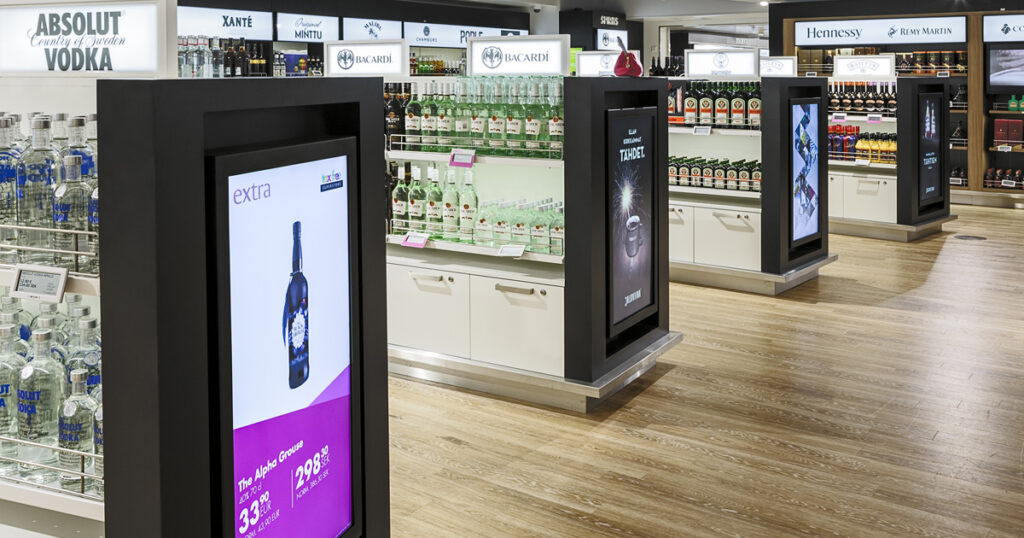
Digital Retail Program
The courses in this program
- explore how digital transformation and emerging information technologies (especially Agentic AI, blockchain, and security) foster innovation to achieve a competitive edge in the retail industry.
- are customized based on the retail industry (e.g., department stores, clothing stores, grocery stores, convenience stores, specialty stores, auto, home furnishing, multi-channel), and the background and objectives of the candidates.

This 4-course customized program (described below) prepares IT professionals and non-IT executives to lead at the intersection of retail and digital technology. Participants will learn to:
- Evaluate unified commerce architectures, retail media networks, direct-to-consumer models, and AI-driven dynamic pricing
- Deploy store-edge technology — RFID inventory tracking, autonomous checkout, computer-vision loss prevention, and mobile POS
- Modernize back-office operations through cloud ERP, Agentic AI demand forecasting, warehouse management systems, and omnichannel order management (BOPIS)
- Design Agentic AI-powered hyper-personalization, customer data platforms, and generative AI shopping assistants to build customer lifetime value
- Govern retail IT investment, ensure PCI-DSS and data-privacy compliance, and balance supplier integration against 3PL/micro-fulfillment models

The following are the descriptions of the 4 courses for this program:
1. Retail Industry IT Trends and Issues
The global retail sector is undergoing rapid transformation driven by evolving consumer expectations, shifting channel dynamics, and margin pressures. Designed for retail leaders and technology executives across grocery, fashion, specialty, and e-commerce, this course explores the commercial, operational, and technological forces shaping modern retail. Participants will evaluate unified commerce architectures, direct-to-consumer (D2C) models, retail media networks (RMNs), and strategic business-IT alignment required to foster customer loyalty and sustainable growth.
Key Focus Areas: Retail Macro Trends & Unified Commerce Strategy; Retail Media Networks (RMN) & New Monetization Channels; Direct-to-Consumer (D2C) & Marketplace Ecosystems; Dynamic Pricing & AI Margin Optimization; Consumer Data Privacy (CCPA/GDPR) & PCI-DSS 4.0 Compliance; Multi-Cloud Governance; Strategic Business-IT Alignment.
2. Store Operations, Autonomous Tech, & Technical Processes
Modern brick-and-mortar retail requires converting physical stores into intelligent, tech-enabled fulfillment and experiential hubs. This course focuses on the strategy, selection, and deployment of store-edge technologies. Retail and store operations executives will evaluate computer vision for loss prevention, RFID smart inventory tracking, automated self-checkout, IoT energy and facility management, and mobile point-of-sale (mPOS) architectures.
Key Focus Areas: RFID, Computer Vision, & Real-Time Store Inventory Accuracy; Autonomous Checkout & Frictionless POS Infrastructure; Smart Store IoT, Energy, & Building Management; AI-Driven Loss Prevention & Organized Retail Crime (ORC) Mitigation; In-Store Edge Computing & Workforce Scheduling Tech; Mobile POS & Associate Enablement Platforms.
3. Retail Industry Back Office Operations
Achieving high-performing retail operations depends on seamless integration between back-office enterprise planning, vendor management, and end-to-end supply chain logistics. This course focuses on modernizing internal operations, inventory allocation, and fulfillment networks. Executives will evaluate cloud-native ERPs, AI-driven predictive demand forecasting, automated Warehouse Management Systems (WMS), automated freight auditing, and robotic process automation (RPA) in retail back-offices.
Key Focus Areas: Enterprise ERP, Finance, & HR Modernization for Multi-Store Retail; AI Demand Forecasting, Replenishment, & Safety Stock Optimization; Warehouse Management Systems (WMS) & Micro-Fulfillment Centers (MFC); Omnichannel Order Management Systems (OMS) & Buy-Online-Pick-Up-In-Store (BOPIS); Vendor Sourcing, Supplier Integration, & Sustainability Tracking; RPA & Agentic AI for Back-Office Operations, and Zero Trust.
4. Digital Marketing, AI Hyper-Personalization, & Customer Experience
Delivering hyper-personalized, friction-free customer journeys across digital and physical touchpoints is essential for driving customer lifetime value (CLV). This course concentrates on leveraging data analytics, AI, and digital channels to optimize marketing, clienteling, and post-purchase engagement. Marketing, digital, and IT executives will learn to deploy Customer Data Platforms (CDPs), Generative AI shopping assistants, personalized loyalty programs, and omnichannel marketing attribution engines.
Key Focus Areas: AI-Powered Hyper-Personalization & Next-Best-Action Engines; Customer Data Platforms (CDPs) & 360-Degree Consumer Views; Generative AI & Natural Language Virtual Shopping Assistants; Digital Loyalty Programs, Gamification, & Subscription Models; Omnichannel Marketing Attribution & Customer Acquisition Efficiency; Biometric Privacy Governance & Consumer Consent Management.
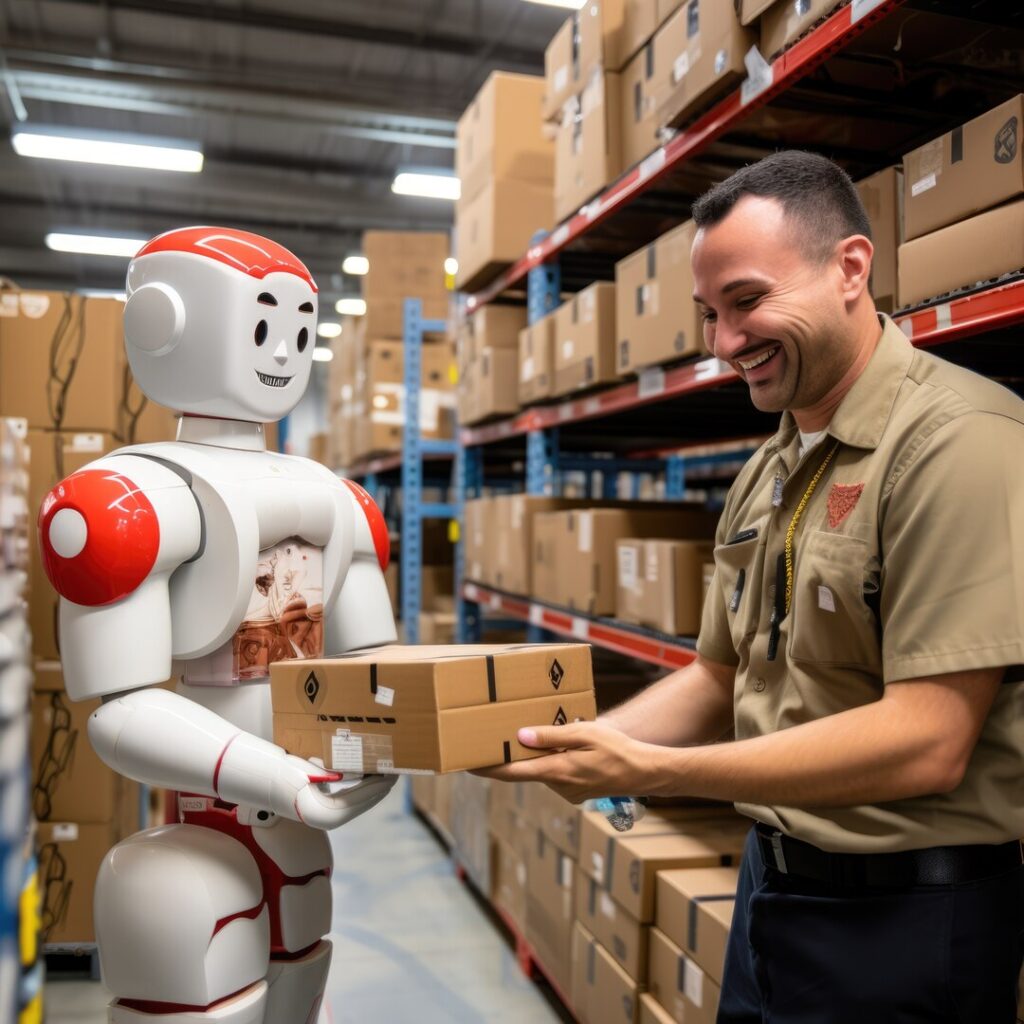
Courses from the Supply Chain Management Certificate should also be considered
As retail and consumer-goods organizations accelerate digital transformation across merchandising, supply chain, store operations, and e-commerce, strategic technology investment is no longer an operational expense—it is a central driver of customer acquisition, operating margin growth, and brand equity. Operating in a highly competitive, fast-moving, and margin-conscious market requires senior executives across both business and technology functions to jointly govern IT resources, manage risk, and foster cross-functional harmony.
Designed specifically for senior retail executives, brand leaders, and technology officers, this course provides the strategic frameworks, governance models, and decision-making tools necessary to maximize the value of retail technology investments. Participants will evaluate how to establish decision rights, balance CapEx and OpEx technology investments, ensure data security, and capitalize on disruptive digital capabilities—especially AI and automated supply chain orchestration—to scale business operations and lower total cost-to-serve.
Program Format: Live / Synchronous (In-Person or Online) | 20 Contact Hours (Ten 2-hour executive modules)
Target Audience: C-Suite Executives (CEO, COO, CIO, CTO, Chief Merchant, Chief Digital Officer, CFO), VPs, General Managers, and Regional Directors across Grocery, Department Stores, Specialty Retail, E-Commerce, and Consumer Brands
Key Executive Focus Areas
Cross-Functional Business-IT Alignment: Formulate unified digital strategies that directly align technology investments with customer lifetime value, inventory turnover, and operating margins.
Governance, Structure, & Sourcing Models: Establish robust governance frameworks, SaaS vendor management strategies, and clear accountability structures across merchandising, store ops, and corporate IT.
Strategic Deployment of Retail AI & Automation: Evaluate the ROI, risks, and operational impact of Generative AI in customer care, automated inventory allocation, and store-edge analytics.
Maximizing Financial IT Value & Capital Allocation: Apply executive frameworks to evaluate Total Cost of Ownership (TCO), manage CapEx/OpEx allocation, and measure return on investment (ROI) across omnichannel modernizations.
Data Security, Cyber Resilience, & Compliance: Protect brand reputation by establishing robust cybersecurity postures, PCI-DSS 4.0 compliance, and consumer data privacy frameworks across all digital and physical channels.
Supply Chain Resilience & Vendor Sourcing Strategy: Guide executive strategy for balancing direct supplier integration against third-party logistics (3PL) and micro-fulfillment models.
Executive Leadership & Change Management: Lead organizational transformation and foster collaborative partnerships between merchants, marketers, store operations, and technical teams.

We offer the flexibility to integrate courses from other programs with a tailored focus on the Retail Sector.