Target Participants
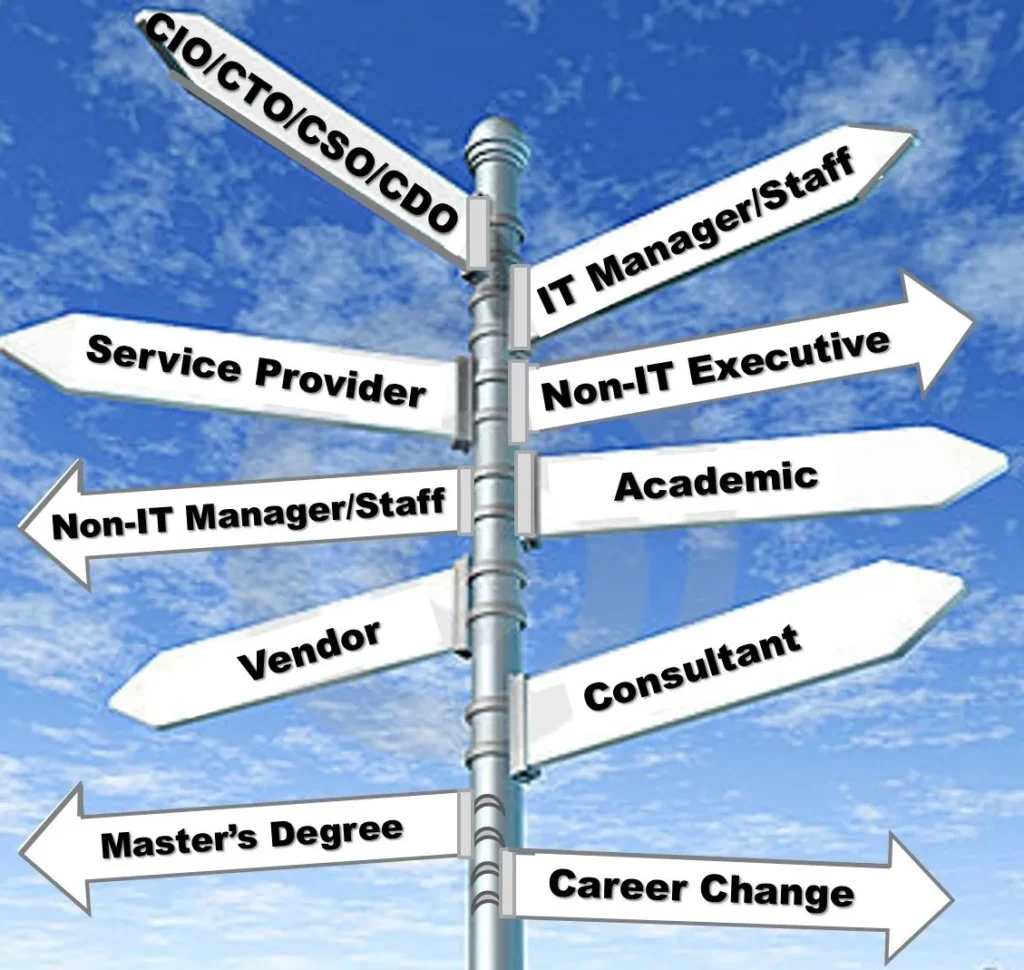
- Match the right digital leadership program to your role, experience level, and organizational goals, whether you ae building technical depth, leading teams, setting enterprise strategy, or developing capability across the business
- While our core audience remains IT professionals with 10+ years of experience advancing their careers, our fastest-growing segment consists of non-IT executives preparing their organizations for digital transformation.

Who We Affiliate With
Corporations & Enterprises: Upskilling teams & driving digital strategy
Universities & Business Schools: Degrees, Exec Ed, certificates & joint programs
- Training Companies & Institutes: Co-branded education, joint certifications & expanded offerings
Management Associations: Executive education & seminars for members
Consultancies & Service Providers: Build strategic tech capabilities
- Individual Advisors & Representatives: Added income by delivering executive programs
Target Participants and Experience

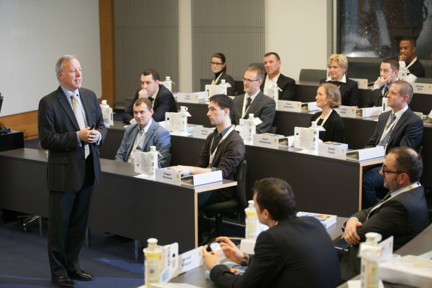
- GIIM typically has more than 1,000 students/candidates (25,000+ IT and non-IT alumni to date) representing more than 50 countries and over 400 organizations/universities, taught by its 300+ faculty members.
- The sweet spot for GIIM’s 35 4-course certificates is IT professionals & consultants with 10+ years of experience, as well as high-potential employees advancing in their careers.
- GIIM also offers:
- Shorter executive seminars and Master’s pathways serve senior non-IT executives
- Master’s Degrees with our university affiliates
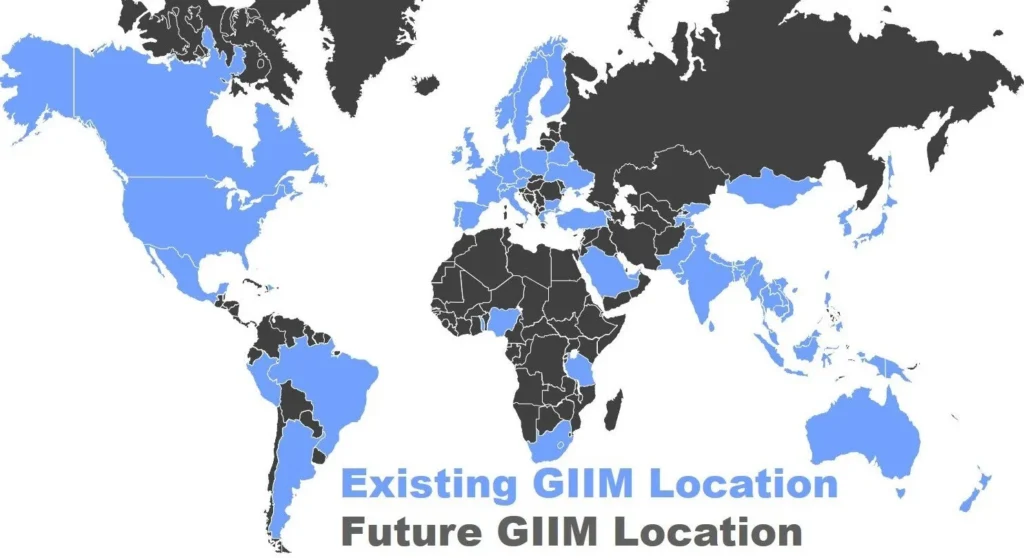
GIIM affiliates around the globe leverage the breadth of GIIM's digital management education programs and faculty to expand their portfolio of learning initiatives:
- Other Education/Training Companies
- Non-Profits
- IT Product Vendor
- IT Service Providers
- Individuals with a strong network
- Commercial/Global Enterprises
- IT & non-IT Management Associations
- Other membership-oriented organizations
- Government Agencies & Contractors
- Consulting: Management & Technical
- Recruiters
- University
- Degrees
- Exec/Continuing Education
Additional Candidate Demographics:
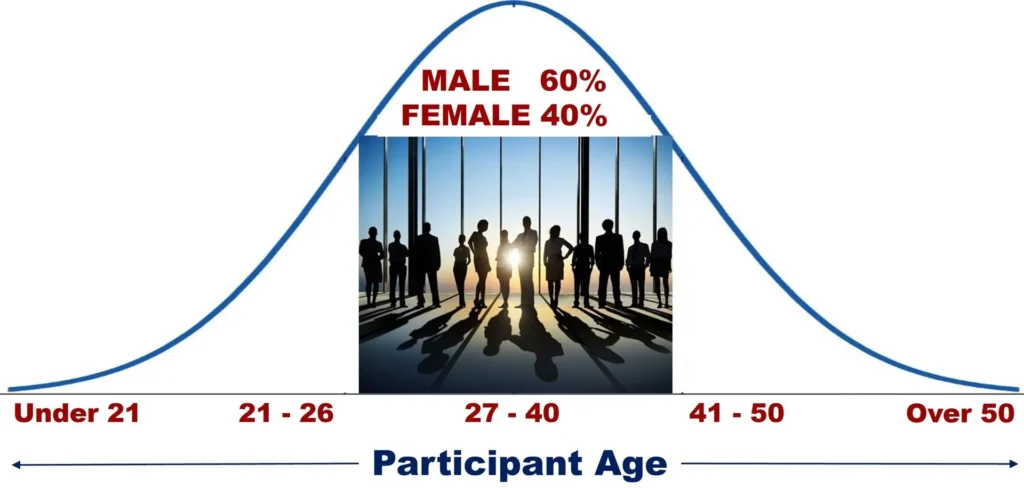

Course Evaluation After 25,000+ Participants
Program & Candidate Tiers and Pathways
Choose the capability you desire to build
- Executive leadership: Set direction, govern technology investment, and lead enterprise change.
- Industry pathways: Apply digital strategy to the regulations, operating models, and customer demands of your sector.
- Technical leadership: Make stronger cloud, data, cyber, AI, and infrastructure decisions that support business priorities.
- General management: Strengthen the communication, negotiation, service, and leadership skills that make transformation stick.
Build a learning pathway around your organization’s priorities. GIIM works with enterprises, universities, associations, and advisory organizations to deliver live, online, or blended programs that can be tailored to a defined audience, capability goal, and schedule.
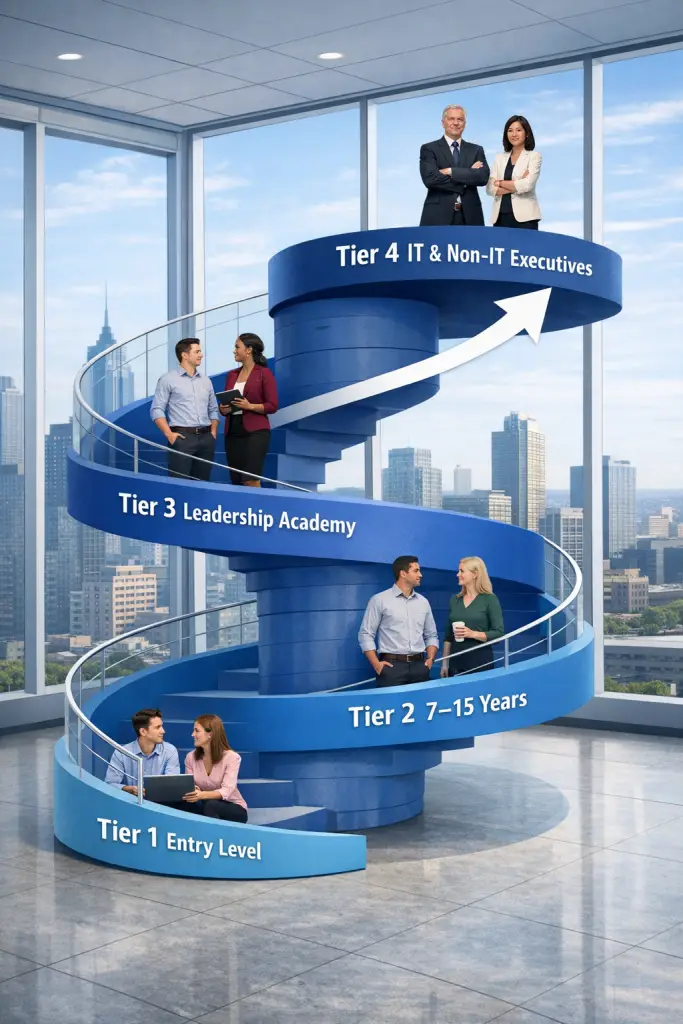
Four Tiers of Experience Framework
The Global Institute for IT Management (GIIM) structures its executive and professional education into four tailored career stages:
Tier 1 (Entry Level): Designed for foundational professional growth, featuring 4-course certificate programs focused on workforce development and core technical/management tracks.
Tier 2 (7–15 Years Experience): Targeted at mid-career leaders seeking 4-course certificates tailored toward specialized domain leadership, industry-specific programs, and emerging tech management.
Tier 3 (Leadership Academy): Tailored for senior candidates preparing for high-level organizational leadership, offering advanced 4-course certificates requiring prior management experience.
Tier 4 (IT & Non-IT Executives / C-Level): High-impact single-course executive seminars and strategic briefings built specifically for C-suite leaders (CIOs, CDOs, CAIOs, CISOs, CTOs) and senior decision-makers leveraging digital strategy.

Four Tiers of Experience
European Qualifications Framework (EQF)
1. Tier 1: Foundational/Early‑Career Experience: 0–7 years EQF Levels 3-5
- Focus: Technical execution and skill development
- Typical Roles:
- Help desk / support analyst
- Junior developer
- Systems/Network technician
- QA tester
- Entry‑level cybersecurity or data roles
- Characteristics:
- Building core technical competencies
- Task‑oriented, supervised work
- Limited architectural or strategic responsibility
- High learning velocity; strong candidates move quickly into Tier 2
2. Tier 2: Mid‑Career/Operational Leadership Experience: 7–15 years EQF Levels 5-7
- Focus: Managing systems, teams, and cross‑functional delivery
- Typical Roles:
- Senior engineer / senior developer
- Systems, network, or cloud engineering
- IT project manager / Scrum master
- Business analyst / ERP analyst
- Cybersecurity engineer
- Data analyst / data engineer
- First‑line or mid‑level IT manager
- Characteristics:
- Owns platforms, applications, or service domains
- Leads small to mid‑sized teams
- Translates business needs into technical solutions
- Increasing influence on architecture, governance, and standards
- Often the pipeline for future IT directors and VPs
3. Tier 3: Senior/Strategic Leadership Experience: 15–25+ years EQF Levels 7-8
- Focus: Strategy, alignment, governance, organization, business/management, enterprise architecture, industry trends, and transformation
- Typical Roles:
- CIO
- CAIO
- IT Director
- VP of IT
- CTO
- CISO
- CDO
- Characteristics:
- Sets technology strategy and investment priorities
- Leads enterprise‑wide transformation (cloud, cybersecurity, data, AI)
- Manages budgets, risk, vendors, and governance
- Aligns technology and business outcomes
- Represents IT at the executive table and with the board
4. Tier 4: IT & Non-IT Executives Including C-Level; Beyond EQF
- Focus: Concentrated program dedicated to leveraging IT for competitive advantage, strategy, alignment, governance, industry trends, organization/reporting, business/roles & responsibilities. sponsor and champion leadership, management, transformation decision making
- Typical Roles:
- CIO
- CEO
- CFO
- VP of Marketing
- BU Executive
- Characteristics:
- Sets technology strategy and investment priorities
- Sponsor and champion of digital initiatives
- Manages budgets, risk, governance
- Aligns technology and business outcomes
- Represents the enterprise at the executive table and with the board
Why This Matters for Boards and Executives
- Build skills‑based career pathways
- Identify leadership pipelines
- Align compensation and expectations
- Plan for succession, especially for C-level roles
- Prepare sourcing strategies
- Understand where candidates will reshape work across tiers
Programs Are Designed for Both IT and Non-IT Leaders
Every GIIM program is designed to deliver immediate value regardless of participants’ starting point. Candidates include IT leaders, as well as non-IT managers and executives from across all functional areas. Recognizing that every professional brings a unique perspective and set of objectives, we customize each candidate’s program pathway based on their specific background, prior experience, and career objectives. This tailored approach ensures that non-IT managers and executives gain the technical clarity needed to drive digital strategy, while IT leaders acquire the executive management tools required to lead organizational transformation.
GIIM’s delivery model is designed for working professionals who need flexible, high‑impact executive education. We also offer Master’s Degree Programs.
Programs are taught by current and former CIOs, CTOs, CISOs, CDOs, and global IT executives and academics who bring real‑world experience directly into the learning environment.
GIIM blends live instruction, online learning, applied assignments, and executive frameworks to ensure leaders can apply what they learn immediately.
The goal is simple: deliver executive‑level IT leadership education in formats that maximize engagement, accessibility, and real‑world impact.
We prepare business professionals (both IT and non-IT) at every level, globally, striving to navigate and thrive in the ever-evolving digital transformation.
GIIM vs. Other IT Management Education Programs
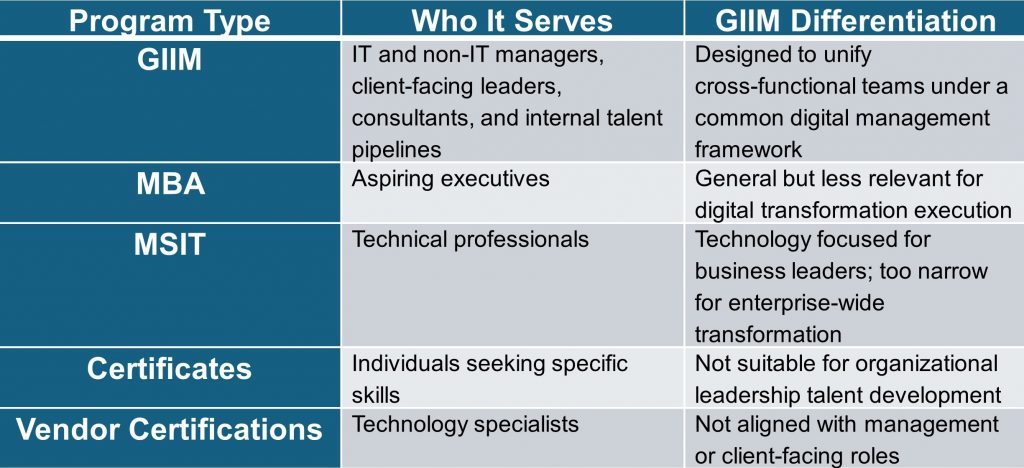
The Target Audience table highlights GIIM’s ability to unify cross-functional teams—from IT and business managers to consultants and client-facing leaders—around a shared digital framework. Traditional options force a trade-off: broad MBAs lack digital execution focus, MSIT degrees isolate technical staff, and certificates focus on individual skills. GIIM bridges this gap, delivering targeted leadership development designed to drive enterprise-wide digital transformation.
Ready to map the right pathway for your team or your career? Talk to us (link below)