
More about GIIM's Managing Cloud Computing Program
Core Focus Areas:
AI-Ready Infrastructure: Designing and scaling cloud environments capable of supporting rapid AI (Agentic AI) and machine learning deployment, as well as AI’s impact on current SaaS models.
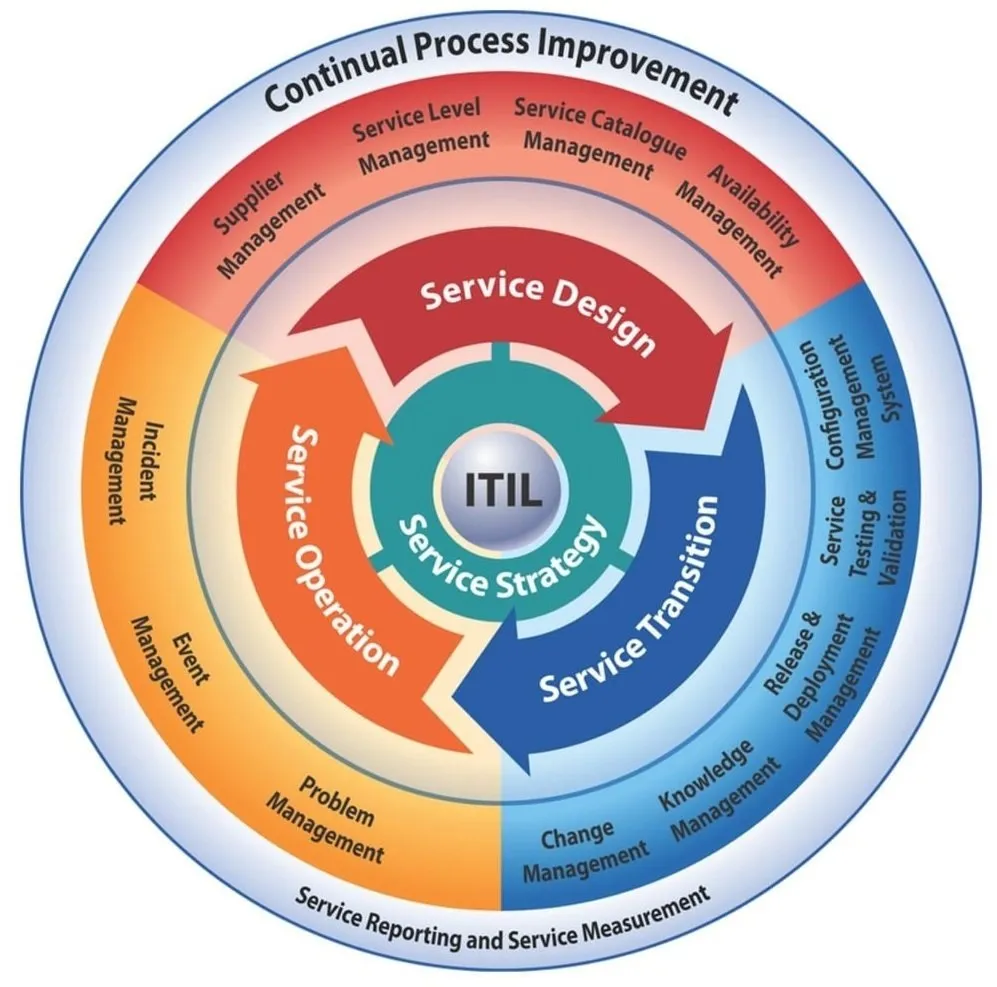
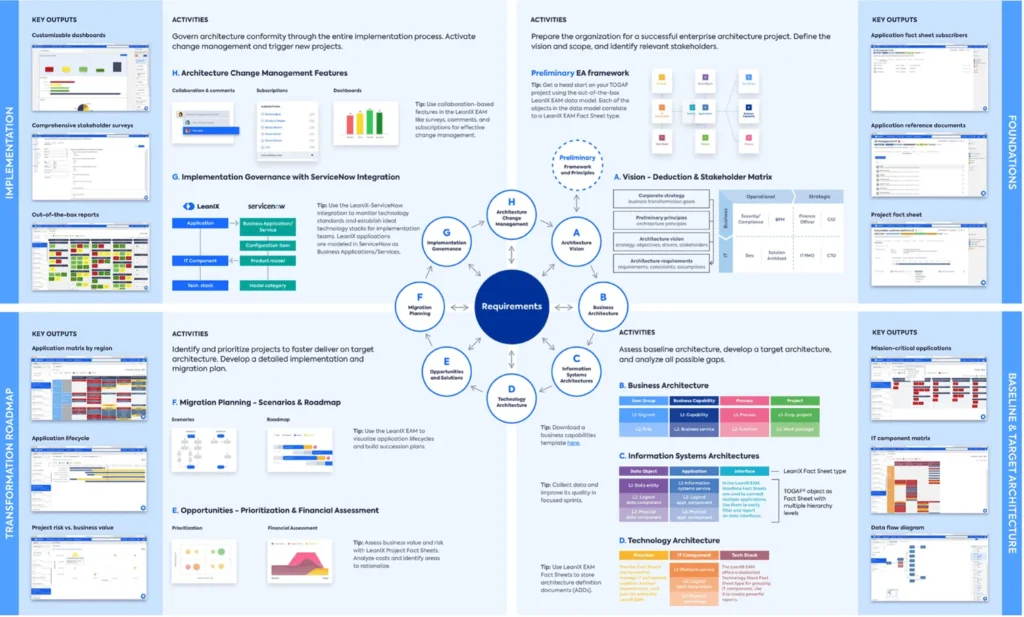
Modern Governance & Architecture: Applying TOGAF and ITIL frameworks to build secure, scalable, and compliant multi-cloud strategies.
Operational Excellence: Optimizing cloud spend, resource allocation, and service delivery to maximize business value.


After successful completion of this program, candidates will also receive ICCP Certification!!!
- While today most organizations are typically concerned about individual technologies (e.g., security, data, networks, applications, architecture), others recognize the more complex integration issues, including organizational and sourcing considerations, which are the focus of this certificate.
- Industry leaders are taking advantage of the flexibility afforded by the dynamic capabilities inherent in the Cloud and opportunities to use IT resources to focus on more strategic business initiatives; the pioneers are looking to leverage Clouds to enable more extensive seamless collaboration in an ever-growing virtual world, including considerations for deriving a strategy, sourcing (including skills and H/R), governance, and organizational reporting.
- The integration of emerging technologies (e.g., IoT, Cognitive Computing, AI (Agentic AI), Blockchain, Robotic Process Automation) and the importance of Cloud will be the focus of all of the courses in this Certificate.
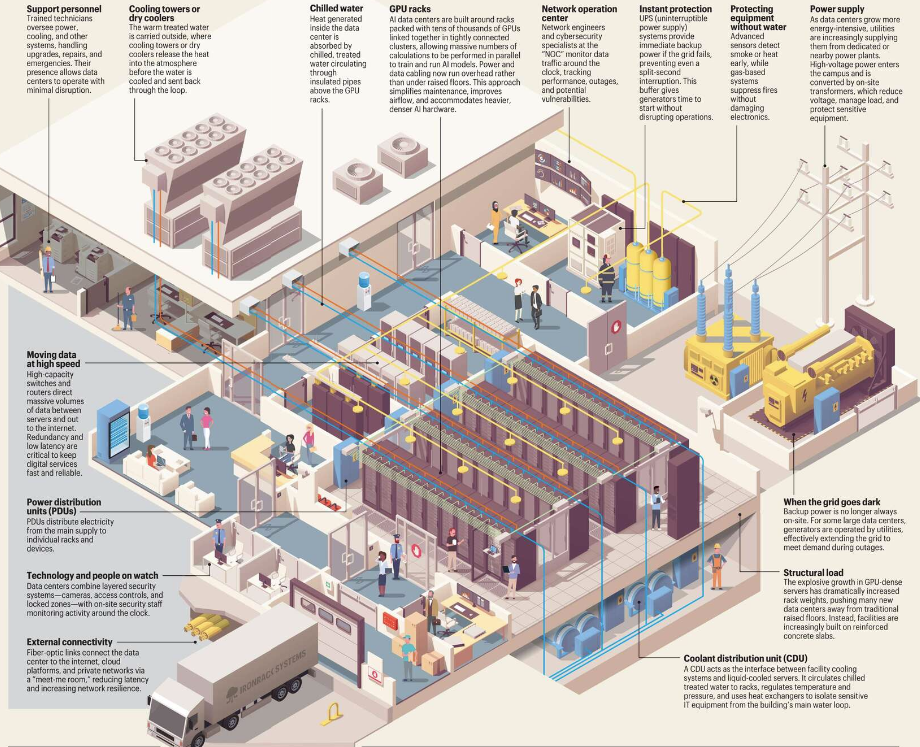
- Exponential growth in AI model size and complexity is pushing data center limits across compute density, power delivery, and cooling. To keep pace, IT leaders must architect flexible, future-proof infrastructure—balancing current demands against complex workloads that double in size and scope every few months.
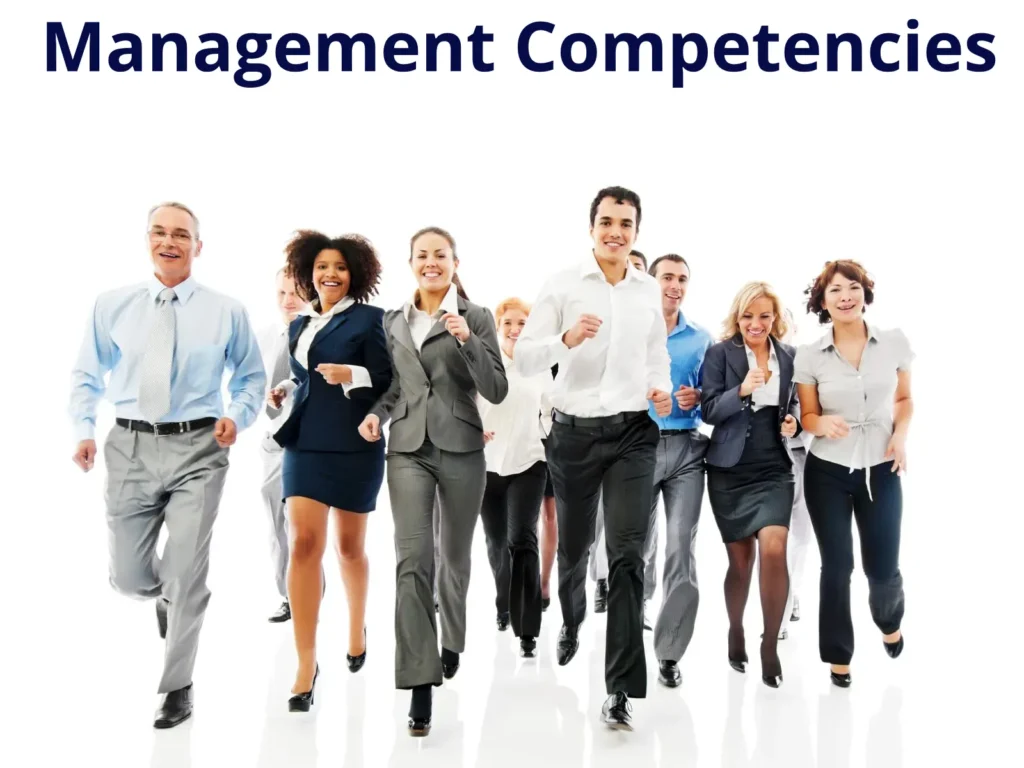
Top 10 skills needed for successful enterprise cloud
- Strategic thinking
- Architecture expertise
- Operations engineering experience
- Integration capabilities
- Security and compliance know-how
- Specific provider expertise
- The ability to scrutinize cloud contracts
- Fiscal skills
- Vendor relationship management
- Leadership
As global organizations accelerate their digital transformation, cloud computing—spanning multi-cloud, hybrid, and private edge environments—has evolved from an infrastructure option into the fundamental engine of enterprise innovation. Modern business leaders are discovering powerful new ways to rapidly deploy, customize, secure, and scale mission-critical workloads. Cloud investments continue to surge worldwide, with non-native and traditional industries—such as financial services, industrials, retail, and transportation—leading the shift toward tailored hybrid and sovereign cloud architectures.
Navigating this complex landscape requires far more than basic migration; it demands strategic integration, intelligent automation, and holistic governance. This program provides executive and technical leaders with the frameworks to orchestrate end-to-end cloud operations. Participants will master how to align enterprise architecture standards (TOGAF) and service management methodologies (ITIL 4) across the entire cloud management spectrum—including IT Operations Management (ITOM), IT Service Management (ITSM), IT Business Management (ITBM), IT Asset Management (ITAM), Customer Service Management (CSM), and AI-driven Security Operations (SecOps).
By bridging multi-cloud architecture with financial management (FinOps), cyber resilience, and operational excellence, technology leaders have an extraordinary opportunity to optimize IT sourcing, reduce friction, and unlock unprecedented agility. The future of enterprise IT is cloud-native, intelligent, and borderless—and those who master this multi-cloud orchestration today will lead the next decade of digital business!
Inside the AI Data Center
TOGAF (The Open Group Architectural Framework)

Cloud infrastructure investments have evolved far beyond simple cost savings. Executives today use a blend of financial, operational, and strategic metrics to assess value. Here’s a breakdown of the most effective approaches:
Key Metrics for Cloud ROI
- Cost Optimization: Track reductions in capital expenditures (CapEx) and operational expenditures (OpEx) through pay-as-you-go models and right-sizing resources.
- Time-to-Value: Measure how quickly new services or features can be deployed compared to traditional infrastructure.
- Revenue Impact: Evaluate how cloud capabilities contribute to new revenue streams or faster market entry.
- Operational Efficiency: Assess improvements in uptime, scalability, and automation that reduce manual workloads and downtime.
- Customer Acquisition & Retention: Link cloud-enabled features (like personalization or faster service) to customer growth and satisfaction.
Frameworks Executives Use
- Cloud Value Framework (AWS): Focuses on five dimensions—cost savings, staff productivity, operational resilience, business agility, and sustainability.
- Business Impact Framework (Futran Solutions): Measures ROI across four dimensions: market acceleration, financial transformation, competitive differentiation, and customer acquisition power.
- Cloud Economics (Google Cloud): Encourages continuous optimization and alignment between IT and business goals, emphasizing dynamic provisioning and innovation enablement.
These frameworks help shift the conversation from “How much are we spending?” to “How much are we gaining in strategic advantage?”
CapEx vs. OpEx in Cloud Infrastructure
Capital Expenditures (CapEx) are upfront investments in physical assets—think servers, data centers, and networking hardware. These are typically high, one-time costs that are depreciated over time. In traditional IT, CapEx locks you into fixed capacity, whether or not you use it fully.
Operational Expenditures (OpEx), on the other hand, are ongoing costs for services and resources consumed. In the cloud, this includes compute, storage, and networking billed on a pay-as-you-go basis. You only pay for what you use, which shifts IT spending from a fixed to a variable model.
Pay-as-You-Go & Rightsizing
- Pay-as-you-go allows businesses to scale resources up or down instantly based on demand. This is especially valuable for workloads with seasonal or unpredictable usage patterns.
- Right-sizing means continuously analyzing and adjusting resource allocations to match actual usage. For example, downgrading an over-provisioned virtual machine or switching to a more cost-effective storage tier.
Together, these practices help avoid overinvestment (a CapEx risk) and reduce waste (an OpEx opportunity), making cloud infrastructure more agile and financially efficient.