More About GIIM's Digital Manufacturing & Engineering Program
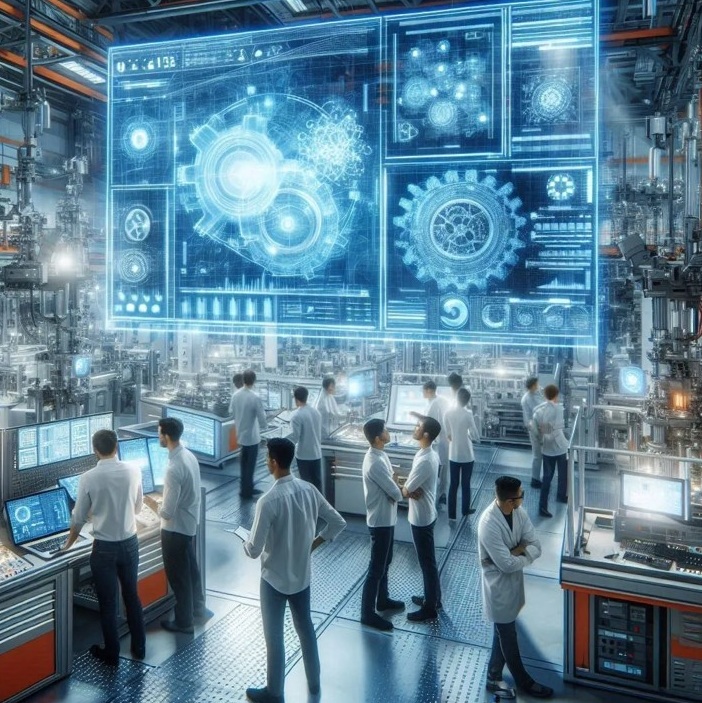
Manufacturing and engineering are not what they were even a few years ago. Understanding emerging information technologies and their impact on the manufacturing and engineering industries, and the roles and responsibilities of IT and non-IT stakeholders in leveraging these emerging technologies in light of the digital transformation, will be at the heart of all of the courses.
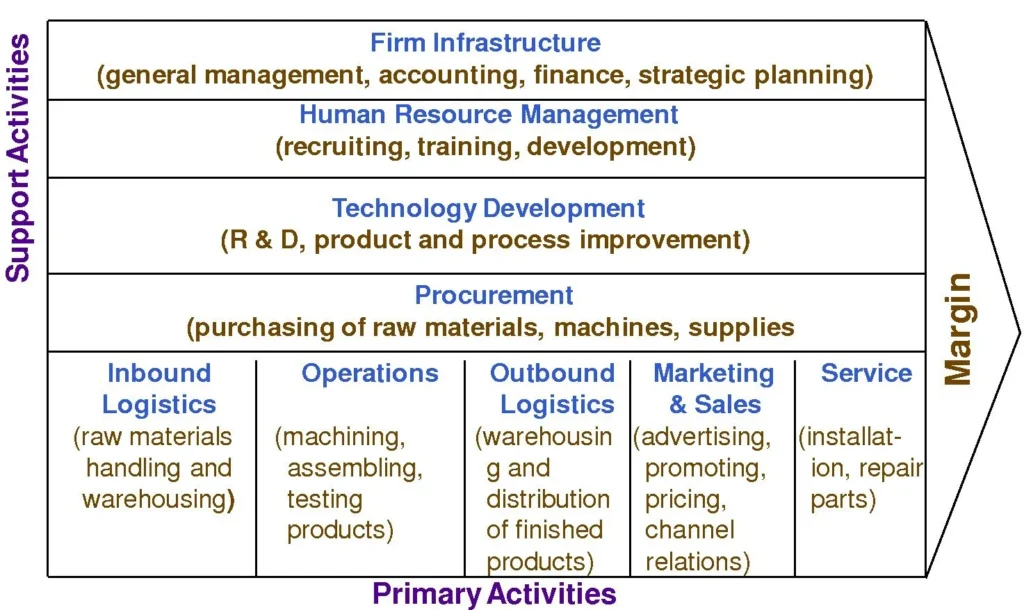
New technologies allow companies to design and build products faster, more efficiently, and more reliably than ever. The Digital Manufacturing & Engineering Certificate focuses on the use of IT to enhance the strategic, tactical, and operational elements across the manufacturing & engineering industry value chain.
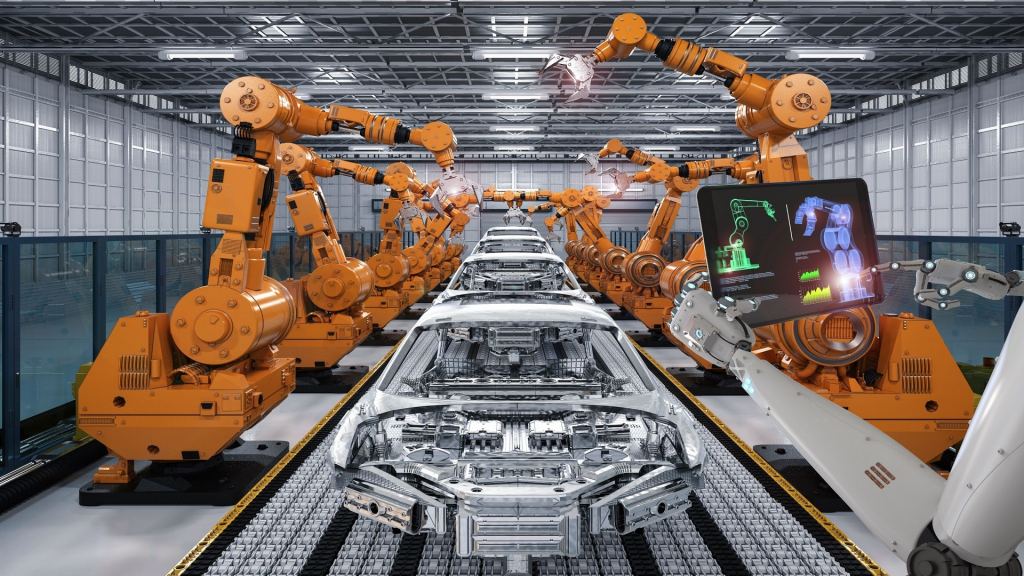
While manufacturing has long been taking advantage of automation, new AI-powered robotics systems are now capable of performing increasingly complex assembly tasks that once required human dexterity and decision-making. The World Economic Forum predicts that up to 20 million manufacturing jobs globally could be eliminated by 2030. Workers without specialized skills or technical training face particularly bleak prospects as manufacturing companies invest in AI to replace low-skill assembly and production roles.
The engineers’ role has changed from performing solely technical operations to being involved in the integration of engineering, technology and business operations. This certificate provides this critical education by graduating engineers who understand the increasing demand for efficiency, effectiveness, and integration in engineering and business operations across varied industries. The courses are designed for IT and non-IT professionals in the manufacturing/engineering industry whose roles involve leveraging digital manufacturing/engineering industry opportunities to provide demonstrable value from their IT investments, in light of the digital transformation and emerging information technologies (e.g., AI, blockchain, social media, analytics, big data, robotics), while addressing important considerations like providing a secure infrastructure and hybrid work environment.
Naturally, having accurate, accessible, secure data is fundamental to a successful AI initiative, thus providing additional topics addressed in this program. The integration of IT and manufacturing/engineering has become essential. The courses in this certificate will provide candidates (IT and non-IT professionals and executives) with the tools, methods, techniques, and standards to derive strategies and plans to leverage current and emerging information technologies.
Example of AI's Impact improving efficiencies, accuracy & accessibility
- Product line optimization and error reduction
- New product introduction timing
- Keeping the Equipment Healthy (Asset Maintenance Planning)
- Expediting Experiments and Design (Materials Design) with 3D Design
- Understanding Processing Optimization
- Optimize the Design (Site Design Generation)
- A Helping Hand in the Field (Virtual Field Assistant for Engineers)
- Enhancing Employee Safety (Personalized OHS Training)
- Optimizing productivity by increasing throughput and yield and reducing conversion costs.
- Improving sustainability by reducing emissions.
- Increasing flexibility in the face of ongoing supply chain disruptions.
- Enabling greater customization and reducing costs of single-run and small-batch goods.
As artificial intelligence, robotics, and advanced IT architectures reshape how global manufacturing and engineering organizations operate and compete, the central question is no longer whether automation will replace human capability—it is how leaders will orchestrate both to unlock unprecedented levels of innovation, productivity, and enterprise value.
In an era of exploding product complexity, traditional, sequential engineering workflows cannot keep pace. Forward-thinking organizations are moving from rigid modeling to quantitative, AI-driven exploration. By integrating AI design copilots, digital twins, generative design, smart factory IoT, and cognitive analytics, engineering teams can explore thousands of possibilities in minutes, detect system-level risks early, and seamlessly connect shop-floor systems with enterprise-wide strategy.
Designed for technical leaders and managers, this program builds the cross-functional expertise needed to navigate the entire product lifecycle—from raw material sourcing and digital product design to smart factory automation, supply chain resilience, and product delivery. Participants will master how to align business strategy with emerging technology architectures (including AI, industrial IoT, robotics, edge computing, and blockchain) to build agile, data-driven manufacturing enterprises.
By bridging human creativity with intelligent exploration, technical leaders have a unique opportunity to eliminate operational friction, optimize capital expenditure, and dramatically reduce time-to-market. The future of manufacturing is connected, intelligent, and sustainable—and those who master this digital orchestration today will set the pace for industrial innovation tomorrow!