
More about GIIM's Digital Insurance Program
Insurance is not what it was even a few years ago. Understanding emerging information technologies and their impact on the insurance industry, and the roles and responsibilities of IT and non-IT stakeholders in leveraging these emerging technologies in light of the digital transformation, will be at the heart of all of the courses.
As artificial intelligence reshapes how insurance organizations operate and compete, the central question is no longer whether AI will replace human capability, but how leaders will integrate the strengths of both to unlock new levels of innovation, productivity, and enterprise value. The future is not a choice between humans or AI; it is a leadership challenge of orchestrating the best of both.
GIIM’s programs are designed precisely for this moment. They equip insurance leaders to harness the combined potential of human intelligence and artificial intelligence, ensuring each amplifies the other to drive measurable business impact.
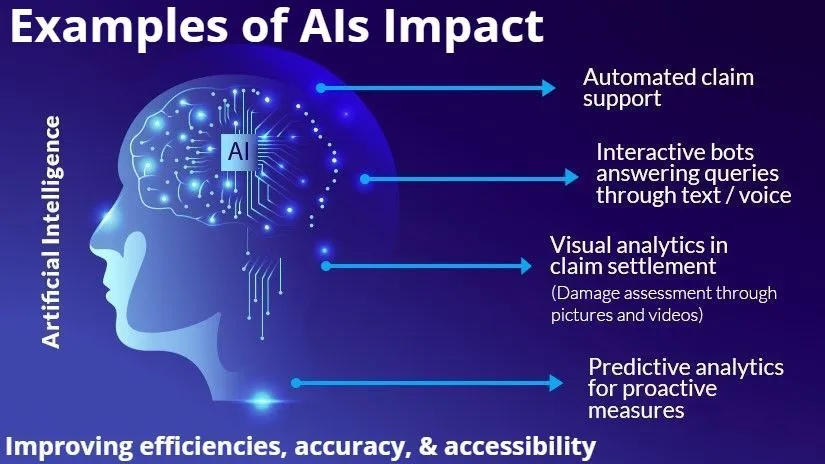

1. IoT, Telematics, & Connected Data Ecosystems
Connected Vehicle & Usage-Based Insurance (UBI): Ingesting real-time telematics from connected cars and smartphones to price policies dynamically based on actual driving style, mileage, and speed.
Smart Home & Commercial Property Telematics: Using IoT water-leak sensors, connected fire alarms, and security systems to detect risks early and offer premium discounts for safe properties.
Wearables & Health Monitoring: Ingesting data from smartwatches and fitness trackers to offer dynamic life or health insurance incentives while promoting longer-term wellness.
Geospatial & Satellite Imagery Analytics: Analyzing satellite and drone imagery to assess agricultural health, roof condition, or wildfire and flood risks automatically at scale.
2. Algorithmic Underwriting & Dynamic Pricing
Instant & Algorithmic Underwriting: Processing structured and unstructured data to approve standard auto, home, or life policies in minutes rather than days.
Granular Property & Real Estate Risk Assessment: Utilizing computer vision on aerial maps to evaluate roof wear, swimming pool liabilities, overhanging trees, and flood plain changes automatically.
Personalized & Usage-Based Policy Generation: Utilizing generative AI to craft tailored coverage limits, add-ons, and policy wording suited to a customer’s unique lifestyle or business model.
Gig Economy & On-Demand Coverages: Offering dynamic micro-insurance or per-trip coverage specifically designed for rideshare, delivery, and gig-economy drivers.
3. End-to-End Claims Automation & Damage Assessment
Computer Vision Damage Appraisal: Estimating vehicle repair costs or property destruction instantly from customer-uploaded photos or videos.
Straight-Through Processing (STP): Automating simple, low-complexity claims from initial notice of loss (FNOL) to digital payout without human intervention.
AI Document & Invoice Processing: Extracting, categorizing, and validating unstructured data from medical bills, mechanic quotes, and police reports using Intelligent Document Processing (IDP) and Large Language Models (LLMs).
Injury & Medical Claims Assessment: Analyzing medical notes and bodily injury claims to forecast recovery timelines, ensure fair treatment payouts, and flag billing errors.
4. AI Fraud Prevention & Financial Crime Detection
Real-Time Fraud & Anomaly Detection: Cross-referencing claim histories, behavioral analytics, and social networks to detect organized fraud rings, staged accidents, or inflated claims.
Deepfake & Digital Asset Verification: Using specialized AI to detect altered images, doctored receipts, generated voice clones, or manipulated crash videos submitted with claims.
Subrogation & Revenue Leakage Recovery: Identifying third-party liabilities and automatically flagging claims where insurers can recover payouts from responsible third parties.
5. Hyper-Personalized Experience & Agentic Customer Service
24/7 Agentic & Generative Customer Support: Multilingual AI voice and chat agents that guide policyholders through claims filing, explain complex policy terms, or update coverage in real time.
Next-Best-Action Sales & Retention: Predictive analytics that anticipate customer churn, identify cross-sell opportunities (e.g., adding umbrella coverage), and customize renewal discounts.
Employee & Health Plan Benefits Selection: Intelligent assistants that guide workers through open enrollment by recommending optimal health, dental, and disability packages tailored to their family’s needs.
6. Proactive Risk Prevention, Mitigation, & Fairness
Shift to Proactive Risk Mitigation: Moving from “predict and pay” to “prevent and protect”—alerting policyholders about impending freeze warnings, hurricane paths, or health risks before damage occurs.
Algorithmic Bias Reduction & Responsible AI: Implementing fair-lending and bias-auditing tools to reduce systemic bias in pricing and underwriting, replacing protected demographic variables with direct behavioral and risk metrics.
Climatic & Catastrophe (Cat) Modeling: Running high-resolution generative simulations to predict catastrophic event impacts, helping insurers optimize capital reserves and reinsurance strategies.
An explosion of technological innovation in recent years has cultivated a new era of digitally savvy consumers and digitally empowered workforces. For the insurance sector, this shift has unlocked unprecedented market opportunities while simultaneously introducing new operational and customer engagement challenges.
Insurers have successfully leveraged digitization to redefine modern ways of working and expand their product portfolios. However, as self-service environments expand, traditional trusted advisors are not always present to help policyholders digest complex terms and evaluate value. This shift has created a critical gap in consumer awareness and understanding. To bridge this divide, the industry is increasingly turning to advanced digital solutions—such as conversational AI, generative virtual advisors, and intelligent automated tools—to simplify choices, educate consumers, and deliver seamless, transparent protection.
By harmonizing cutting-edge AI capabilities with human-centric design, innovative insurers have an extraordinary opportunity to eliminate friction, democratize policy understanding, and cultivate lasting trust. The future of insurance is intelligent, accessible, and proactive—and those who lead this digital evolution today will build the resilient, customer-centric industry of tomorrow!
What Managers Need To Know
The demand for more innovative ways to close the gaps in consumer awareness of products, services, and their value propositions has become essential. This includes facilitating consumers’ ability to understand their own risks, the safeguards and rigors within the industry, as well as the value of newer offerings.
While insurers have used their websites extensively to help consumers better understand their offerings, the new digital ecosystem of tools and services offers a much greater variety of capabilities to segment and personalize experiences, while also recommending services tailored to individual needs. This augments the services typically provided by an agent in a face-to-face setting.

Management Competencies
In essence, the digital ecosystem allows insurers to creatively place themselves in the moment — at the time in a consumer’s life when risks happen (or have the potential to happen) — to offer relevant, personalized awareness, education, advice, and services.
Emerging technologies are also having a profound impact on actuarial and back-office processes.
All of this still needs to be done within the confines of the regulations of state, federal, and international governing authorities.
By leveraging emerging information technologies (e.g., big data, analytics, blockchain, robotic automation, AI), insurance firms are providing new services that automate the entire ecosystem securely and transparently. They are driving intense changes in competition and regulation.
These changes present many opportunities and challenges. This has raised the demand for IT professionals with not only the proper technical background but also advanced knowledge of management, industry, and interpersonal skills, especially how to leverage IT in the insurance industry. Non-IT professionals also require increased proficiency in how best to leverage IT across the enterprise. Managers from all parts of the enterprise are being called upon to work together to address these complex business and technical challenges. Preparing IT and non-IT professionals with these necessary skills has become essential in light of the digital transformation and emerging information technologies.
The Digital Insurance Certificate focuses on the use of IT to enhance the strategic, tactical, and operational elements across the insurance value chain.
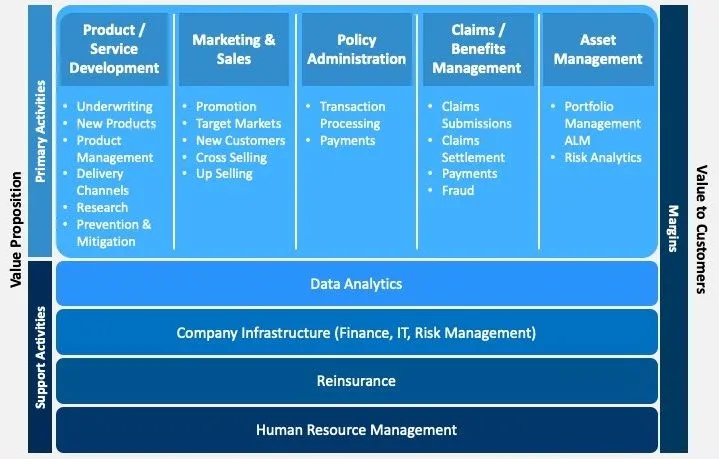
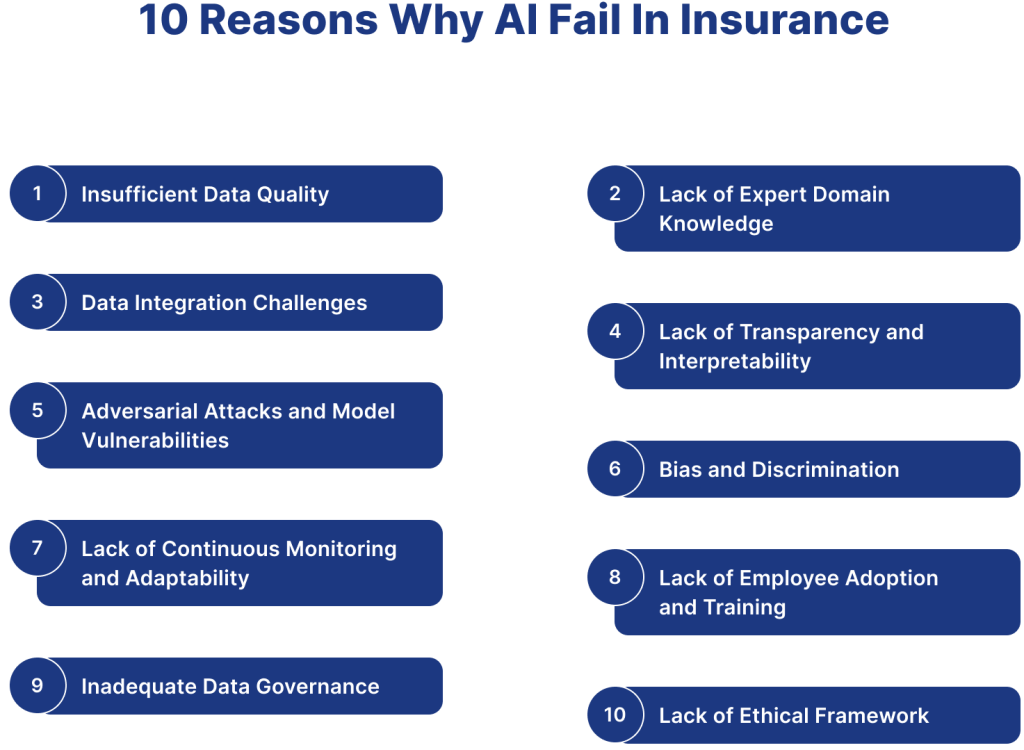
- Naturally, having accurate, accessible, secure data is fundamental to a successful AI initiative, thus providing additional topics addressed in this program.
- The courses are designed for IT and non-IT professionals in the Insurance industry whose roles involve leveraging digital services opportunities to provide demonstrable value from their IT investments, in light of the digital transformation and emerging information technologies (e.g., blockchain, social media, analytics, big data).
- Given the diversity of the Insurance industry (e.g., life, homeowners, health, auto, liability), and the background of the candidates, GIIM will work with you to ensure all objectives are attained.