More About GIIM's Digital Healthcare Program
Core Program Pillars include
Drive High-Impact Innovation: Strategic integration of next-generation digital ecosystems across both back-office operations and frontline care delivery.
Forge Competitive Advantage: High-ROI digital initiatives that expand market position, optimize organizational efficiency, and elevate patient outcomes.
Master Governance & Trust: Responsible technology adoption, robust cyber resilience, regulatory compliance, and cross-enterprise change management.
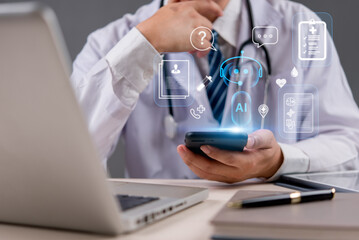

Healthcare is not what it was even a few years ago. It has never been hard to imagine how information technology (IT) might improve health care services. Fast messaging replacing faxes. Electronic health records that can be accessed more easily. Software that can inform doctors’ decisions. Telemedicine that makes care more flexible. The possibilities seem endless, especially in light of AI, blockchain, and security.
Examples of AI's Impact
Diagnostic & Clinical Precision
Accelerated & Accurate Diagnosis: Spots early signs of disease and identifies subtle anomalies or patterns that may be missed during standard clinical evaluations.
Surgical Robotics & Imaging: Enhances surgical precision with robotic assistance and real-time, high-resolution imaging support.
Neurological & Target Therapies: Advances the development and application of neuro-implants and target-specific treatment regimens.
Patient Care & Remote Monitoring
Continuous 24/7 Monitoring: Powers “Hospital at Home” initiatives and wearable devices to track patient health continuously outside traditional care settings.
Mental Health Accessibility: Expands access to mental healthcare through responsive, on-demand digital support tools and triage platforms.
Patient Empowerment & Direct Support
Accessible Medical Guidance: Evaluates minor ailments, offers preliminary health guidance, and assists with prescription management.
Health Literacy & Results Translation: Explains complex test results, diagnoses, and treatment plans in clear, patient-friendly language.
Clinical Operations & Workflow Efficiency
Administrative Relief: Automates documentation, routine paperwork, and administrative overhead to reduce clinician burnout.
Interactive Consultation Prep: Streamlines pre-visit preparation and structures information to facilitate clearer doctor-patient discussions.
Research & Healthcare Optimization
Data-Driven Treatment & Research: Accelerates medical research and continuously refines evidence-based clinical workflows across the healthcare system.
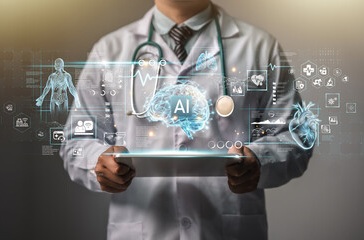
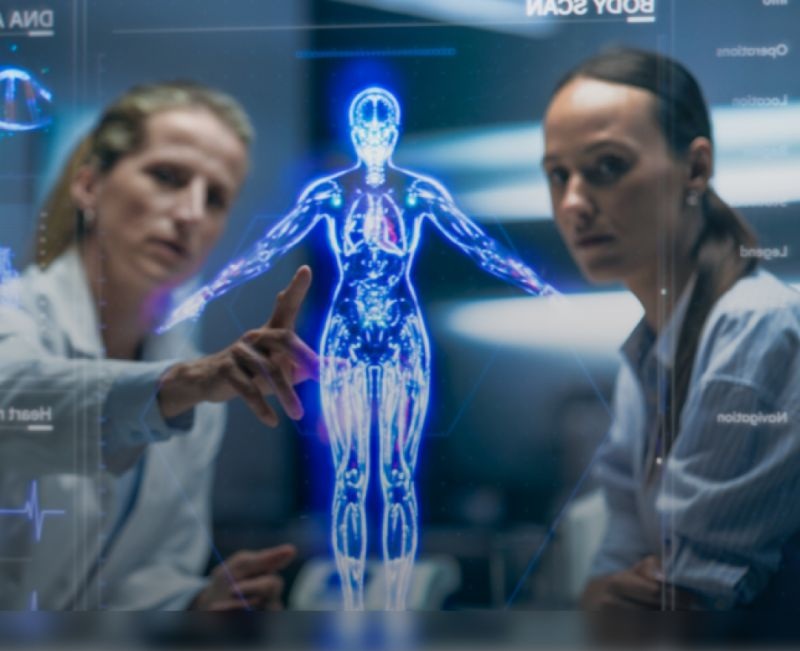

As artificial intelligence reshapes how healthcare organizations operate and compete, the central question is no longer whether AI will replace human capability, but how leaders will integrate the strengths of both to unlock new levels of innovation, productivity, and enterprise value. The future is not a choice between humans or AI; it is a leadership challenge of orchestrating the best of both.
GIIM’s programs are designed precisely for this moment. They equip healthcare leaders to harness the combined potential of human intelligence and artificial intelligence, ensuring each amplifies the other to drive measurable business impact.
Management Competencies
That being said, recent MIT research finds that the overall impact of IT on health care has been evolutionary, not revolutionary. Technology has lowered costs and improved patient care-but to a modest extent that varies across the health care landscape- while only improving productivity slightly. High-tech tools have also not replaced many health care workers.

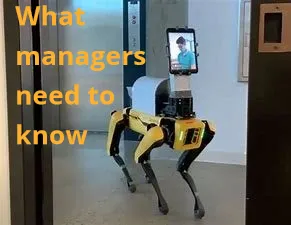
Understanding emerging information technologies and their impact on the healthcare industry, and the roles and responsibilities of IT and non-IT stakeholders in leveraging these emerging technologies in light of the digital transformation, will be at the heart of all of the courses.
This program is distinguishable from other healthcare programs currently available because of its ability to address the strategic digital health education needs of a broad range of employees found in the kind of companies and institutions that are constituents of healthcare organizations worldwide, in light of the digital transformation and emerging information technologies.
It is intended to prepare not only those responsible for the implementation of traditional electronic records and other types of information technologies, but also those charged with deriving strategies that integrate emerging information technologies across previously disparate parts of the entire healthcare ecosystem.
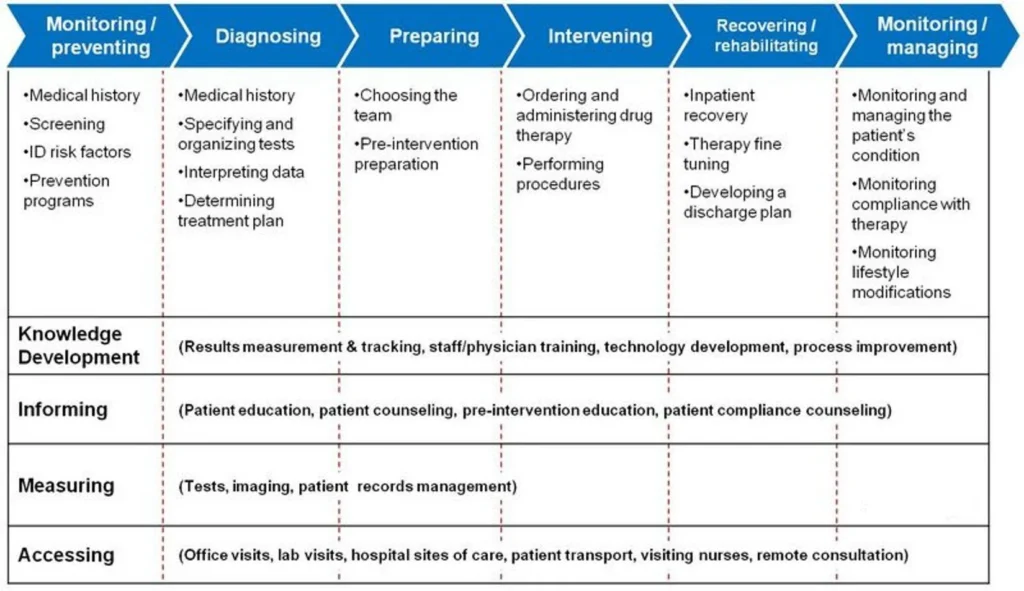
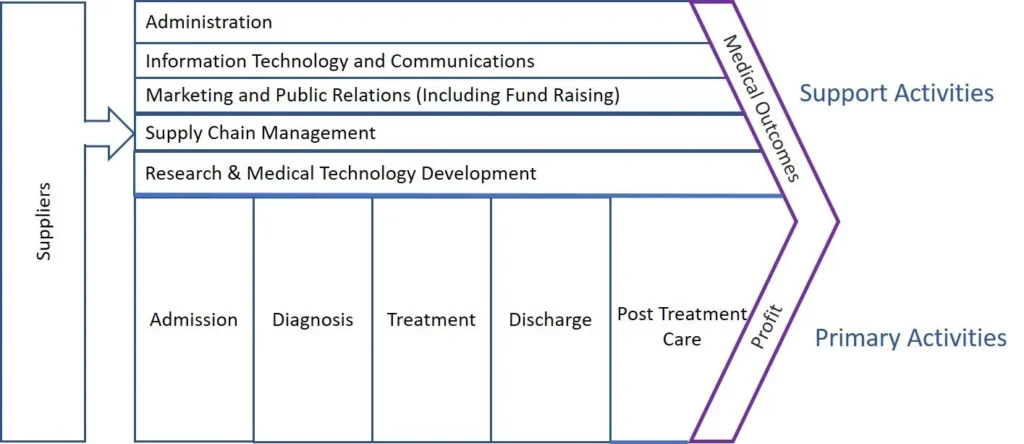
Naturally, having accurate, accessible, secure data is fundamental to a successful AI initiative, thus providing additional topics addressed in this program. The Digital Healthcare Certificate focuses on the use of IT to enhance the strategic, tactical, and operational elements across the healthcare industry value chain.
The program is designed to meet the needs of those who will be the leaders and major users of these technologies (both clinical and non-clinical), regardless of their pre-course knowledge and experience in the use of today’s electronic tools. On the one hand, the courses will meet the needs of those seeking more of a high-level strategic education focusing on how the use of various information technologies may drive the rapidly evolving vision of an organization positioning itself to compete successfully in a world dominated by value-based purchasing and accountable care. On the other hand, it will provide a nuts-and-bolts perspective for those in back offices as well as on the front lines of patient care and healthcare operations, where the rubber truly meets the road in terms of demonstrating the value of these technologies to overall clinical and financial performance, as well as the changing regulatory and insurance dynamics.
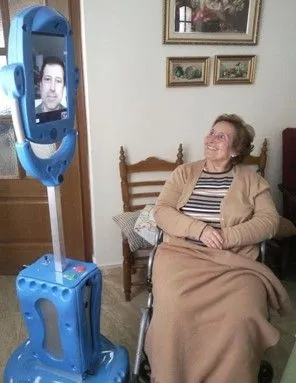
The courses are designed for IT and non-IT professionals (e.g., physicians, administrators, nurses, lab technicians) in the healthcare industry whose roles involve leveraging digital healthcare industry opportunities to provide demonstrable value from their IT investments, in light of the digital transformation and emerging information technologies (e.g., AI, blockchain, social media, analytics, big data), while addressing important considerations like providing a secure infrastructure and hybrid work environment. Often, a team comprising all stakeholders participates and uses the program to derive an IT-business strategy.