More about GIIM's Digital Education Programs
Higher education faces an unprecedented dual crisis: rapid technological disruption driven by AI and digital platforms, coupled with intense financial vulnerability. To survive and thrive, institutions must move beyond traditional delivery models and fundamentally redesign how they develop, deploy, and monetize learning.
This certification equips candidates with critical strategic, tactical, and operational capabilities to harness emerging digital technologies for transformative impact in education
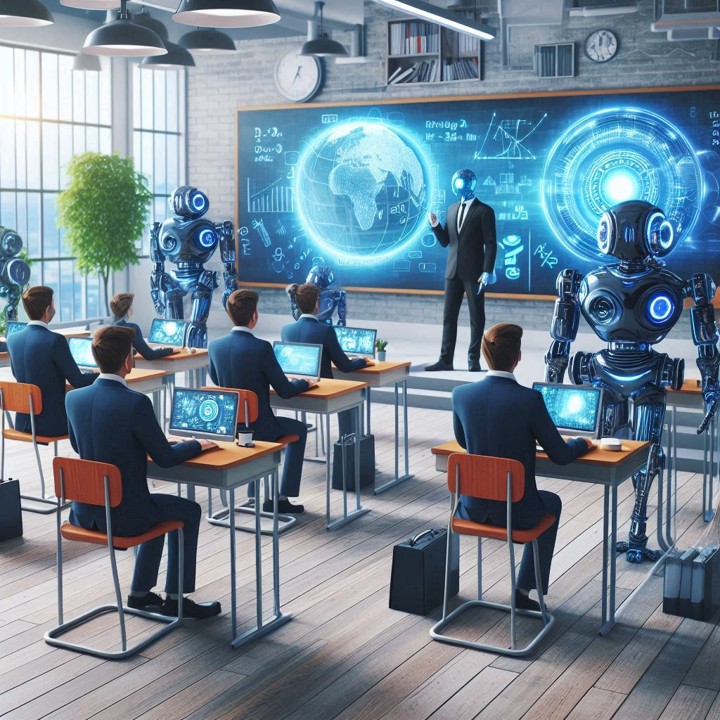

Academic Revolution
AI for teachers, not AI instead of teachers!
Ideal for
Ideal for / Who should enroll: Academic Deans, University CIOs and CTOs, Corporate Learning & Development (L&D) / Chief Learning Officers (CLOs), EdTech Executives, and K-12/Higher-Ed System Digital Leaders
Why Education Leadership is Changing
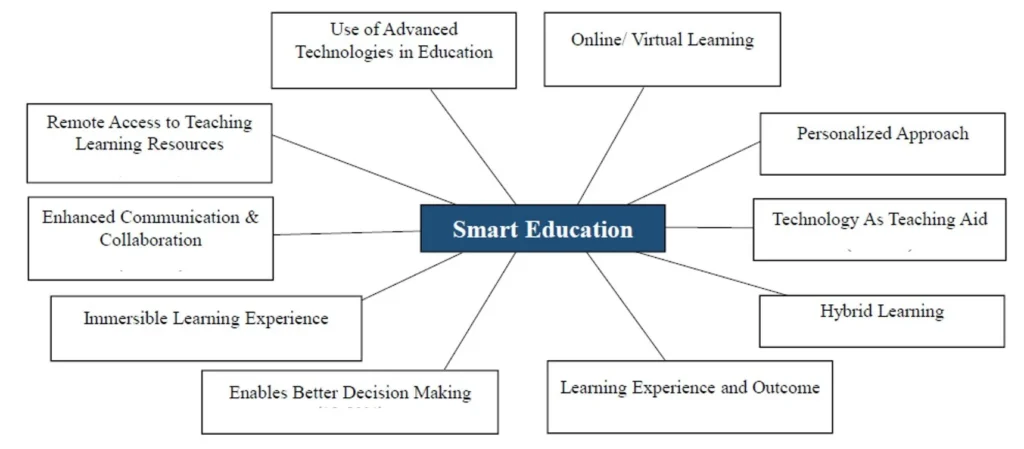
The paradigm of education and professional development has undergone a permanent structural shift. Traditional, physical classroom models are no longer sufficient to meet the demands of a global, hybrid workforce that requires continuous upskilling. Modern educational and corporate learning leaders are pressured to scale high-quality delivery across international time zones, integrate immersive learning technologies, and prove tangible return on investment for educational spend. Navigating this transformation requires moving past basic e-learning digitization to architecting adaptive, data-driven learning ecosystems.
Program Overview & Executive Impact
This executive program equips leaders—including C-suite executives, academic deans, educational entrepreneurs, and corporate learning officers—to design, scale, and govern resilient learning organizations built for a global, tech-driven economy.
Architecting a modern tech-enabled learning environment relies on four foundational pillars:
Scalable Architecture: Delivering high-engagement synchronous and asynchronous programs globally without compromising instructional rigor.
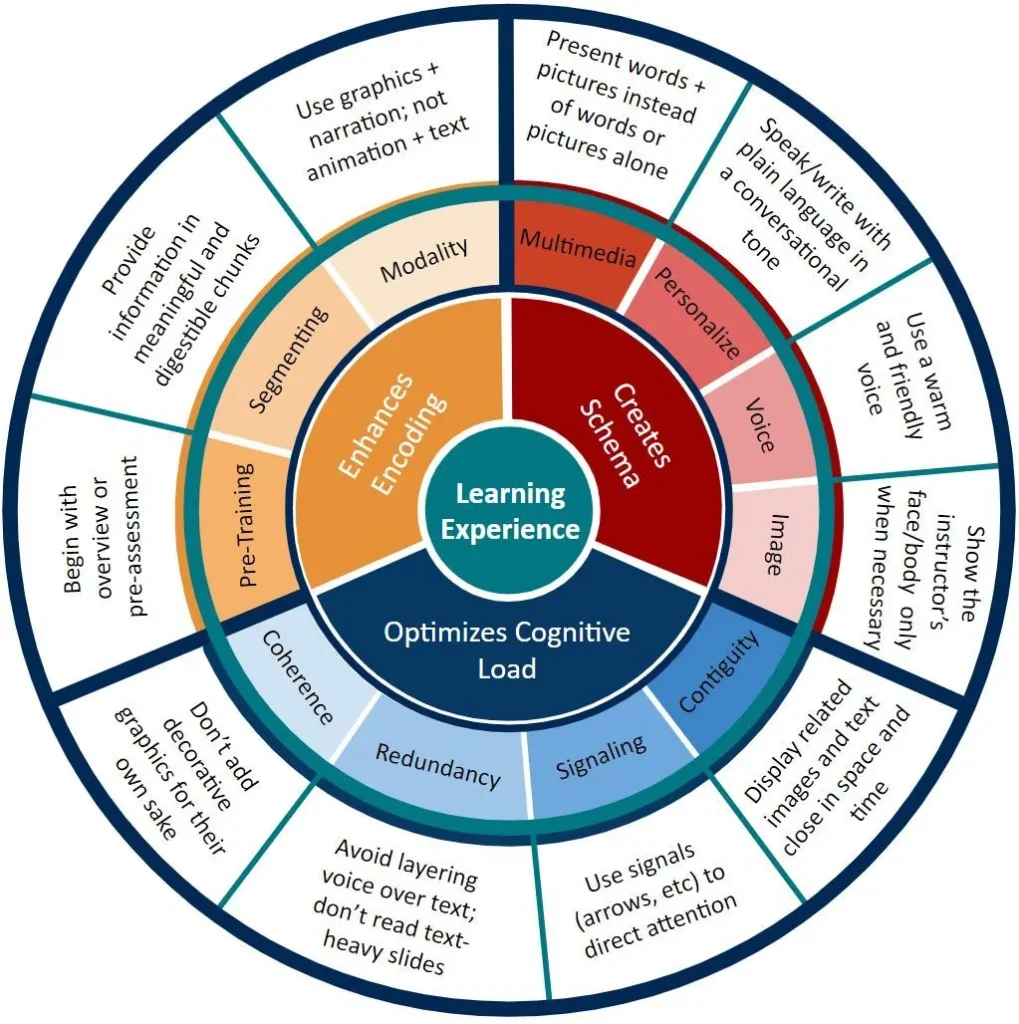
Pedagogical Alignment: Fusing cutting-edge educational technology with proven cognitive science and instructional design principles.
Data-Driven Analytics: Tracking learner engagement, comprehension velocity, and skill acquisition through real-time feedback loops.
Ecosystem Integration: Seamlessly connecting digital learning tools with existing institutional databases, credentialing platforms, and HRIS systems.
What You Will Be Able to Do
Upon completing this certificate, leaders will be fully equipped to:
Architect Digital Learning Ecosystems: Design and deploy modern, scalable hybrid learning programs for academic institutions or global enterprises.
Integrate AI & Advanced Tools: Implement AI-driven personalization and adaptive learning frameworks to boost engagement and retention.
Measure Program Effectiveness: Establish data-driven assessment models that evaluate the true impact of digital education initiatives.
Strategic Implications for Educational Leaders
Mastering digital education requires moving beyond passive content digitization to architecting vibrant, adaptive learning ecosystems. By aligning educational technology with robust pedagogical frameworks and data analytics, leaders ensure sustainable, scalable growth for their institutions and enterprises.
By bridging cutting-edge technology with forward-thinking organizational strategy, this program empowers leaders to drive operational excellence, deliver high-impact learning outcomes, and future-proof their organizations.

Universities and colleges around the world are experiencing declining enrollment, rising costs, costly digital and technological advancements, reduced government funding, and changing student preferences. All of these factors contribute to increased financial vulnerability, and implementing urgent, strategic measures is vital to “course-correct” the fiscal trajectory of higher education institutions; all must be considered together.
At the same time, Artificial Intelligence (AI) and other emerging technologies and practices are rapidly shaping the evolving future of teaching and learning, envisioning a number of scenarios and implications for the new generations of higher education students as well as faculty. This is also the case for all educational institutions/organizations.
The rapid pace of technological evolution also necessitates continuous skill development. The global workforce will need to undergo reskilling to remain relevant. Organizations that invest in upskilling programs foster adaptability in their workforce, boosting innovation and future-proofing their operations.
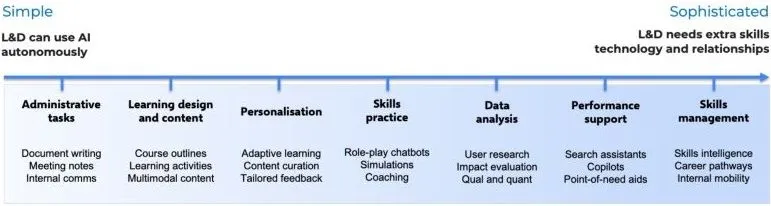
Examples of AI in Education
A. Academic & Learning Support
- Adaptive Learning and counseling/coaching/tutoring
- Special needs students access a more equitable education
- Early Childhood Education
- Writing: helping students improve their writing skills
- Lesson Planning
- Frameworks like UDL (Universal Design for Learning) to help educators create inclusive learning environments by addressing the diverse needs of all students
- Language Learning
- Test Prep
- 24X7 student access for Q&A
B. School Management
- Classroom/Behavior Management
- Classroom Audio-Visual
- Student- Parent-Teacher Communication
- Student, Faculty, & Staff Assessment
- Learning Management Systems
- Gamification for Enhanced Student Engagement
- Staff Scheduling and Substitute Management
- Professional Development
- Transportation
- Building and Equipment Maintenance and Management (e.g., power, Wi-Fi, and water services)
- Finance & Budget Management
- Cybersecurity
- Safety and Security
- Records Management
- Scheduling
- Alumni Management
C. Higher Education:
- Plagiarism Detection
- Exam Integrity
- Chatbots for Enrollment and Retention
- Learning Management Systems vs Learning Experience Platforms
- Transcription of Faculty Lectures
- Enhanced Online Discussion Boards
- Analyzing Student Success Metrics
- Academic Research
- Connected Campuses
Artificial intelligence is actively redefining how education and corporate training are personalized and delivered:
Adaptive Learning Pathways: AI algorithms dynamically adjust the difficulty, pacing, and content delivery based on an individual learner’s real-time performance and comprehension gaps.
Automated Assessment & Feedback: Intelligent tutoring systems provide instant, formative feedback on open-ended assignments, reducing administrative burden while accelerating student mastery.
Generative Content Assistance: Leveraging AI models to rapidly curate case studies, simulate scenario-based role play, and translate instructional content across multiple global languages.
To successfully lead digital education initiatives, academic and corporate learning executives must understand that tech adoption fails when treated as a purely IT implementation. Educational technology must serve the pedagogical mission, not dictate it. Leaders must grasp the complexities of data privacy (such as FERPA and GDPR compliance in learning analytics), user adoption hurdles among faculty and learners, and the strategic alignment required between educational outcomes and organizational workforce needs.


To effectively govern and scale modern digital learning programs, executives must master a core set of strategic competencies:
Govern EdTech Architecture & Security: Evaluate and oversee secure, interoperable learning platforms (LMS, LXP, credentialing engines) that protect sensitive user data.
Lead Faculty & Staff Transformation: Drive cultural change by training educators and trainers to embrace hybrid pedagogies, AI-assisted tools, and digital course authoring.
Design Accessible & Equitable Programs: Ensure that digital learning environments comply with global accessibility standards (e.g., WCAG) and support diverse geographic and socioeconomic cohorts.
Align Learning with Strategic ROI: Connect digital education investments directly to institutional growth, corporate skill gaps, and measurable learner career outcomes.
- With only 35% of IT and non-IT executives believing that their organizations currently have the required digital leadership skills, the opportunities for digital management education are growing exponentially.
- The success rate of today’s digital initiatives resembles the traditionally low success rate of IT projects. We continue to make the same mistakes.
- Naturally, having accurate, accessible, secure data is fundamental to a successful AI initiative, thus providing additional topics addressed in this program.
Learning Management Systems (LMS): Traditionally act as the administrative backbone—tracking compliance, managing course enrollment, storing syllabi, and recording grades. They are top-down and administrative-first.
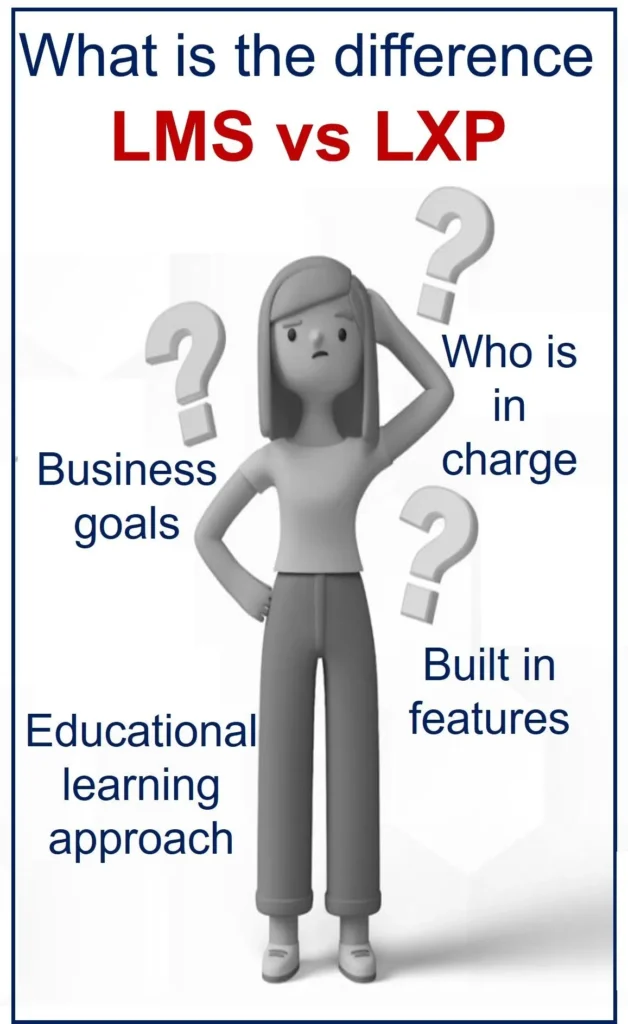
Learning Experience Platforms (LXP): Serve as the Netflix-style, consumer-grade discovery engine—focusing on personalized content curation, peer recommendations, social learning, and micro-learning pathways. Modern leaders must integrate both to balance rigorous administrative compliance with engaging, self-directed professional growth.
While an LMS is like a strict teacher, an LXP is more like a mentor who lets students find their own way