More about GIIM's CTO Certification
Core Focus: The Modern Foundation of Enterprise Agility
Enterprise IT infrastructure has evolved far beyond traditional data centers and on-premise hardware maintenance. Today, it serves as the high-performance backbone of digital transformation, hybrid cloud orchestration, and artificial intelligence at scale. Modern IT infrastructure leaders must master the art of fusing legacy systems with elastic cloud fabrics, high-throughput networks, and resilient edge architectures to maintain operational velocity.

Tailored for Executive Impact, GIIM collaborates with affiliates to customize this program, aligning the curriculum with your organization’s specific technical maturity, cloud-migration path, and strategic goals—ensuring immediate, practical value for senior technology leaders.
After successful completion of this program, candidates will also receive an ICCP or IOA Certification!!!

Information systems design has traditionally been taught in isolated layers—treating networks, databases, cloud systems, and applications as separate domains. While this compartmentalized approach helps build specialized expertise, modern enterprise environments demand seamless convergence. Technology leaders must bridge these layers across hybrid infrastructure, multi-cloud platforms, and organizational boundaries. Mastering the integration of these interconnected technologies and applications is critical to engineering scalable, secure, and business-aligned enterprise architectures.


Ideal for: CTOs, Infrastructure Architects, Senior Platform & Cloud Leaders, and Technical Executives responsible for modernizing hybrid/multi-cloud networks and scaling AI-ready data center environments.
What You Will Be Able to Do
Upon completing this certificate, technical leaders will be fully equipped to:
Design Future-Proof Architectures: Architect scalable, secure, and high-performance hybrid infrastructure tailored for AI and cloud-native applications.
Orchestrate Cross-Platform Integration: Eliminate data and application silos by successfully integrating legacy systems with modern cloud environments.
Govern Infrastructure Spend: Implement Fin Ops frameworks that optimize compute and storage costs without compromising performance or uptime.
Lead Technical Transformation: Align infrastructure investments directly with executive business strategy, ensuring the technology stack accelerates rather than restricts corporate growth.
Strategic Implications for Technical Leaders
Mastering IT infrastructure requires moving beyond reactive server management to proactive, software-defined platform engineering. By aligning infrastructure architecture with AI-scale demands and multi-cloud strategies, technical leaders ensure long-term enterprise resilience and agility.
- With only 35% of IT and non-IT executives believing that their organizations currently have the required digital leadership skills, the opportunities for digital management education are growing exponentially.
- The success rate of today’s digital initiatives resembles the traditionally low success rate of IT projects. We continue to make the same mistakes.
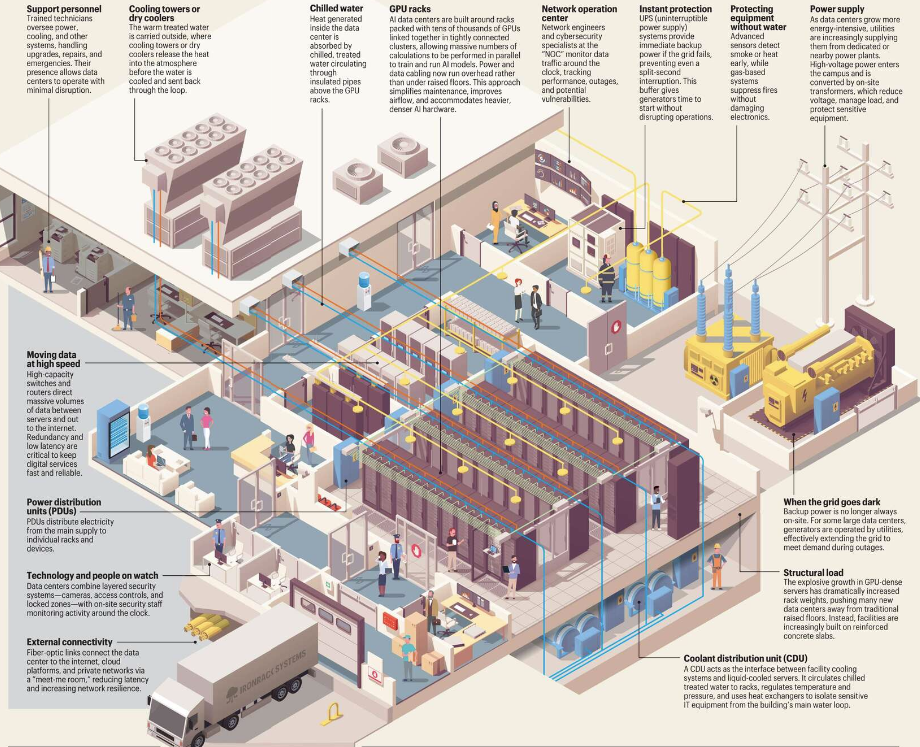
- Driven by AI systems, rapid computer growth in model size and complexity is pushing compute density, power delivery, and cooling far beyond traditional data center limits. To keep pace, IT leaders must design for AI flexibility, balancing today’s needs with tomorrow’s scale. AI growth is exponential. Complex workloads double in size and diversity every few months.
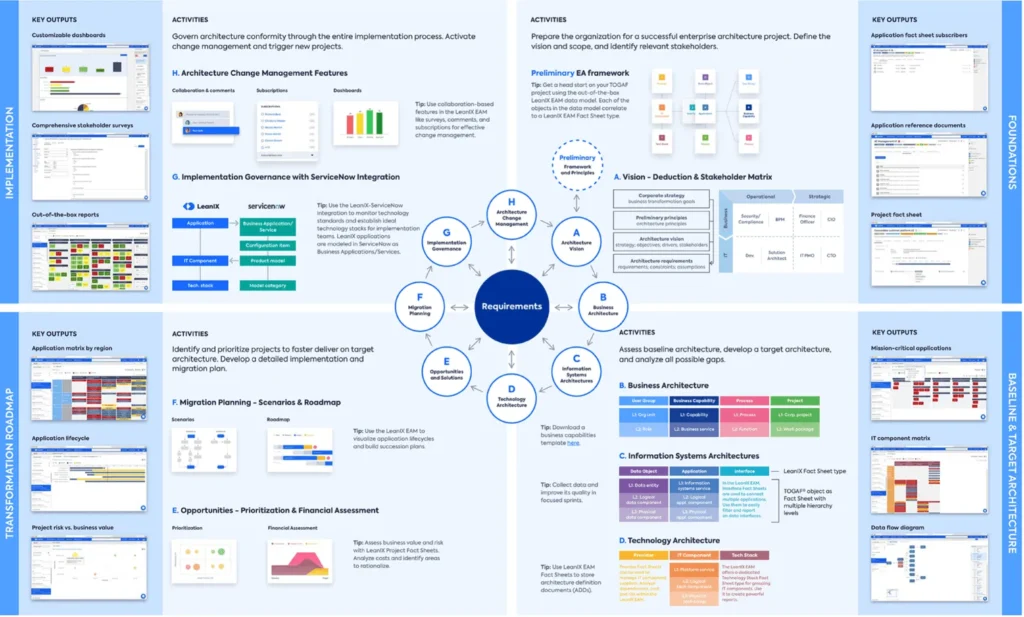
An effective information systems infrastructure for a corporation includes the integration of networks, data, emerging technologies (e.g., Big Data, analytics, AI, cognitive computing, blockchain, Robotic Process Automation, security), systems, and applications. Designing or modifying an infrastructure calls for an understanding not only of technology, but also of business needs and how to integrate the different technologies across different technologies and across the different parts of the business to ensure sustainability. Understanding the integration and management of the entire TOGAF and ITIL frameworks (across ITOM, ITSM, ITBM, ITAM, CSM, and Security Operations) is essential.
Below are essential areas covered in the program
7 keys to success with AI and the data center
Mastering next-generation infrastructure requires a disciplined framework

Architecting Hybrid & Multi-Cloud Fabrics: Seamlessly integrating on-premise private clouds with hyperscale public cloud environments.
AI-Scale Compute & Storage Provisioning: Designing high-bandwidth, low-latency environments capable of supporting heavy GPU and LLM workloads.
Software-Defined Networking (SDN): Implementing programmable networks that dynamically route traffic and optimize performance.
Resilience & Business Continuity: Building fault-tolerant, self-healing architectures with automated disaster recovery protocols.
Infrastructure Automation & IaC: Leveraging GitOps, Terraform, and automated provisioning to eliminate manual deployment errors.
FinOps & Cost Governance: Establishing rigorous visibility and optimization models to control runaway multi-cloud and AI infrastructure spend.
Infrastructure Security & Zero-Trust: Embedding robust security controls across every layer of the compute, network, and storage stack.
Why Integration & AI-Scale Matter Now
As enterprises race to deploy compute-intensive generative AI models, real-time analytics, and distributed microservices, traditional infrastructure models are hitting hard performance and cost ceilings. Siloed environments, unpredictable latency, and brittle integration points create severe bottlenecks. Leaders can no longer treat infrastructure as a static cost center; it must operate as an agile, programmable platform capable of scaling dynamically to meet the explosive demands of modern AI and multi-cloud workloads.
Inside the AI Data Center
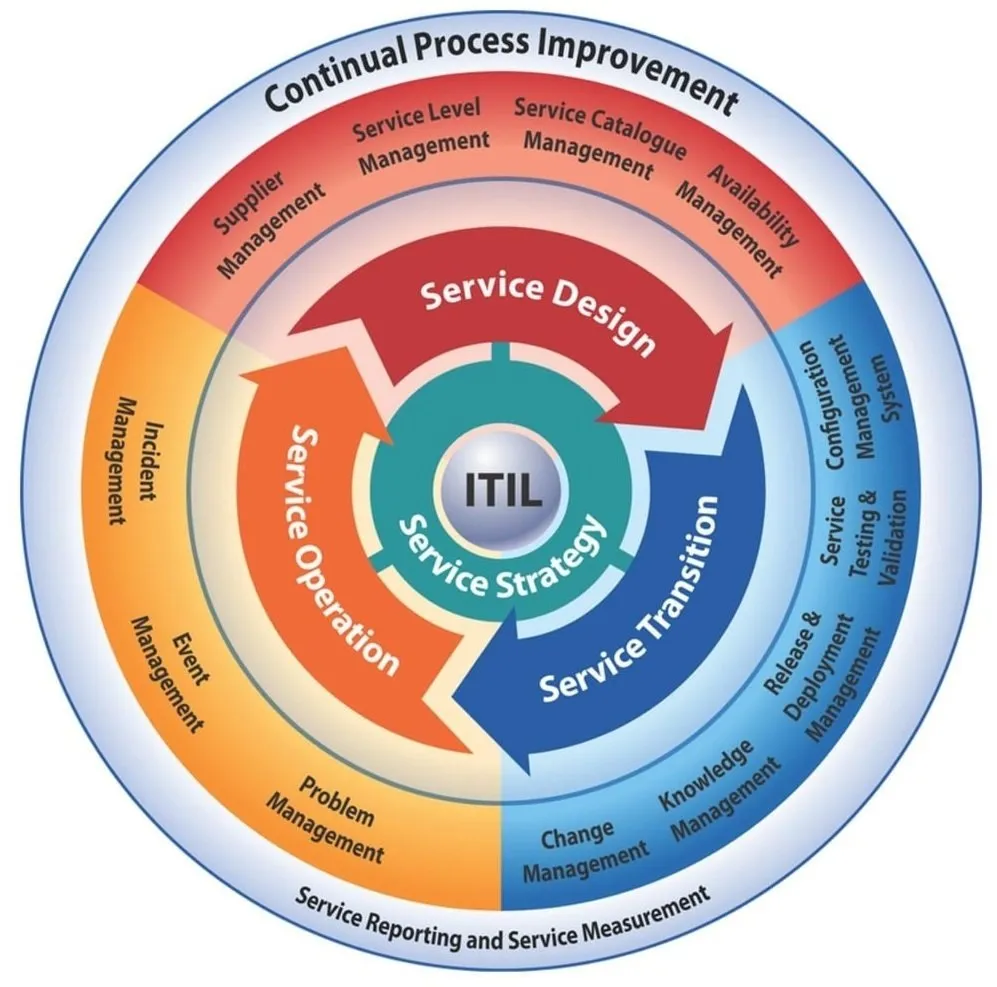
TOGAF (The Open Group Architectural Framework)
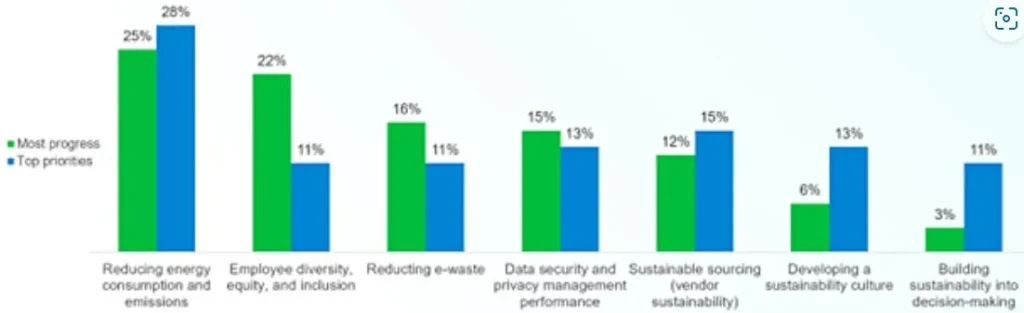
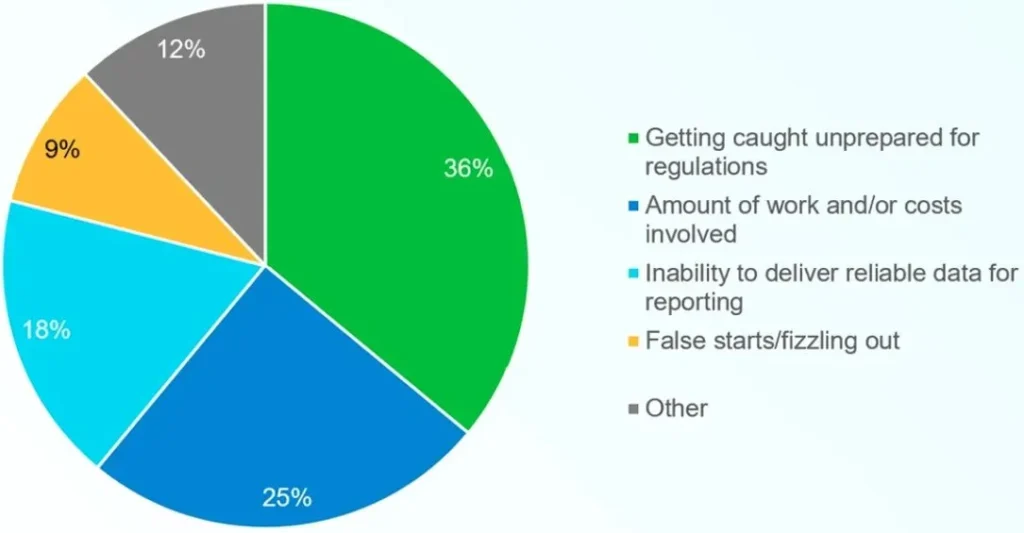
Sustainability Considerations:
Largest Concern
Top Priority