More About GIIM's Deploying Data Technologies Program

Core Technical Concentrations:

  • Intelligent Systems & Automation: Advanced AI (Agentic AI)/Machine Learning, Cognitive Computing, and Intelligent Process Automation (IPA/RPA).

  • Modern Data Architecture: Big Data engineering, real-time IoT data pipelines, and decentralized systems (Blockchain).

  • Enterprise Intelligence: Data Analytics, Natural Language Processing (NLP/Textual Analytics), and cloud-scale Business Intelligence.

After successful completion of this program, candidates will also receive an ICCP or IOA Certification!!!

  • With only 35% of IT and non-IT executives believing that their organizations currently have the required digital leadership skills, the opportunities for digital management education are growing exponentially.
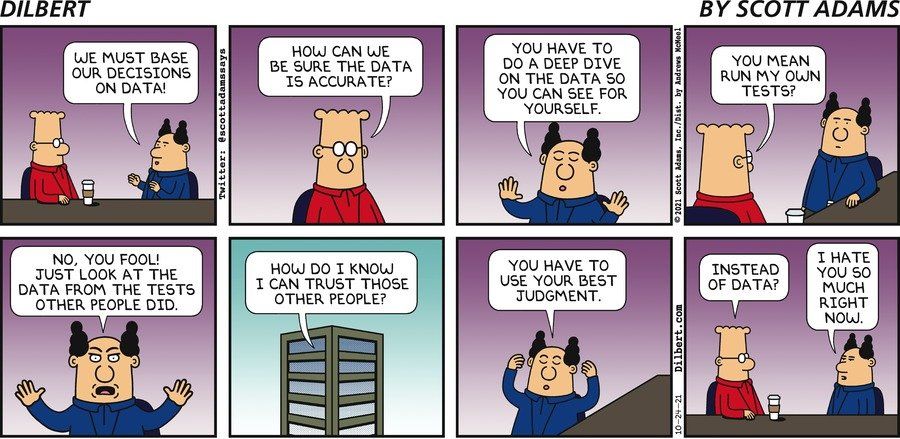
  • The success rate of today’s digital initiatives resembles the traditionally low success rate of IT projects.  We continue to make the same mistakes.
  • Business Analytics/Intelligence has remained the top application/technology (a clear standout) since 2003. Companies value the ability to analyze data/information to gain insights as they compete to rapidly and accurately advise internal and external decision-makers.
  • Businesses are increasingly relying on data to make informed decisions, creating a significant demand for data analysts in the freelance market. Skills in collecting, analyzing, and deriving meaningful insights from data are highly valued. These abilities can lead to high-paying opportunities. Candidates completing this GIIM program will be prepared to lead businesses in understanding market trends. In addition, they examine consumer behavior and other crucial data points that affect strategic choices.

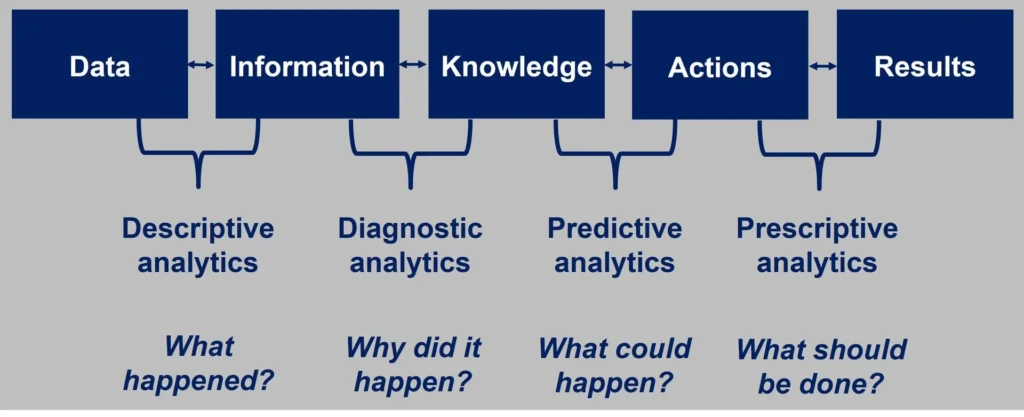
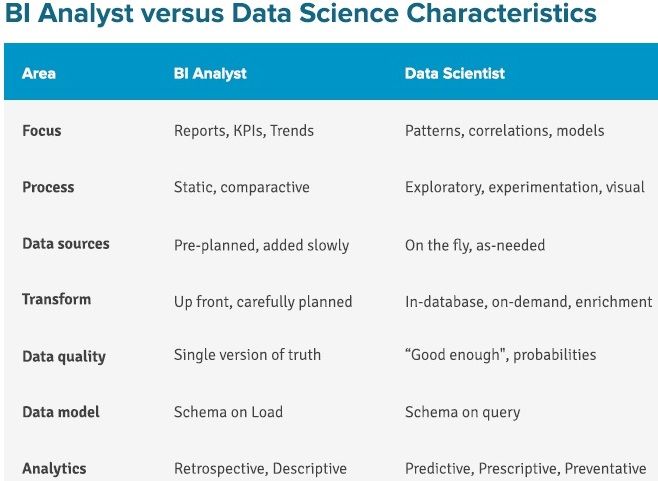
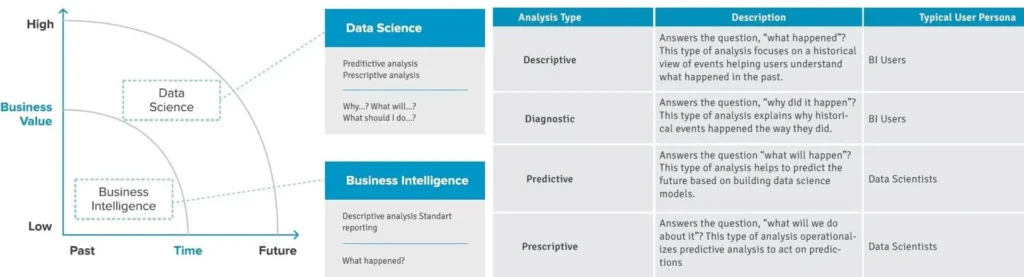
Business Intelligence (BI) focuses on analyzing historical and current data to describe what happened and what is happening within an organization. It relies on structured data to create dashboards, reports, and key performance indicators (KPIs) that support tactical decision-making.

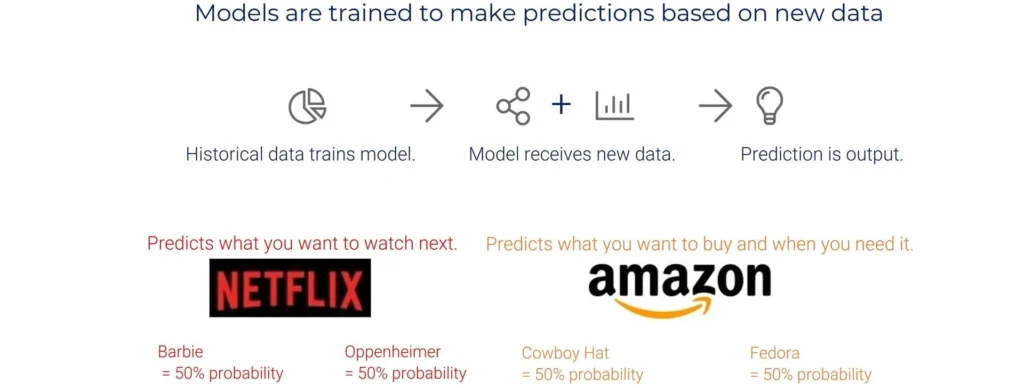
Data Science, by contrast, uses advanced statistical models, machine learning, and predictive analytics to determine why things happened and what will happen next. It works across structured and unstructured data to uncover hidden patterns, build automated predictions, and drive strategic decision making.

Some call data the new oil. Others call it the new gold. Philosophers and economists may argue about the quality of the metaphor, but there’s no doubt that organizing and analyzing data is a vital endeavor for any enterprise looking to deliver on the promise of data-driven decision-making.  With the future of IT being driven by these technologies (in marketing, R&D, HR, legal…), every organization should be obtaining demonstrable value from implementing an effective data-driven innovation strategy where big data means bigger and better decisions. Every organization needs to have a team of effective data scientists.

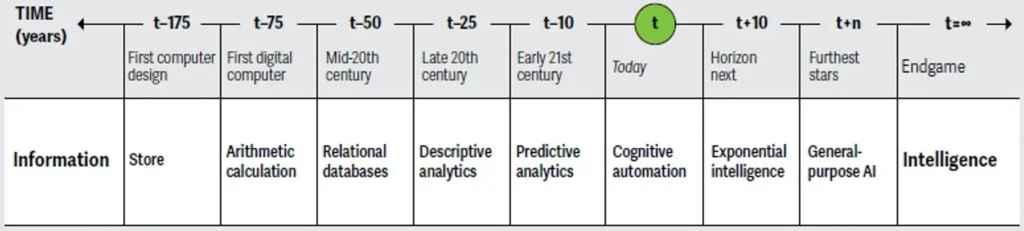
In addition to formidable process improvements, the focus is now on revenue-generating initiatives. Information will be to the 21st century what steam, electricity, and fossil fuel were to prior centuries.
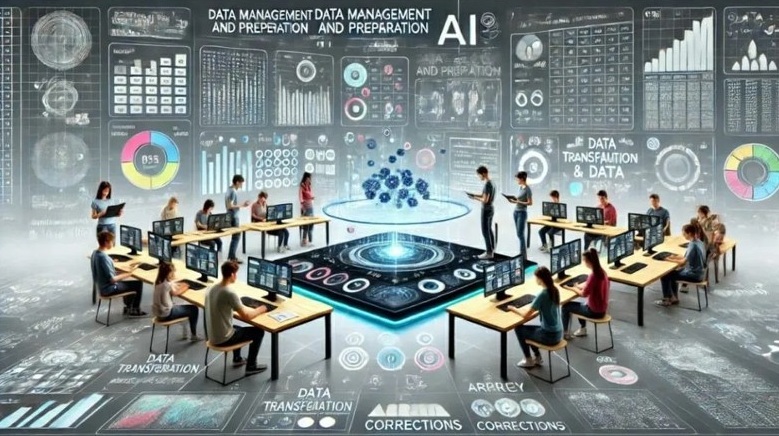

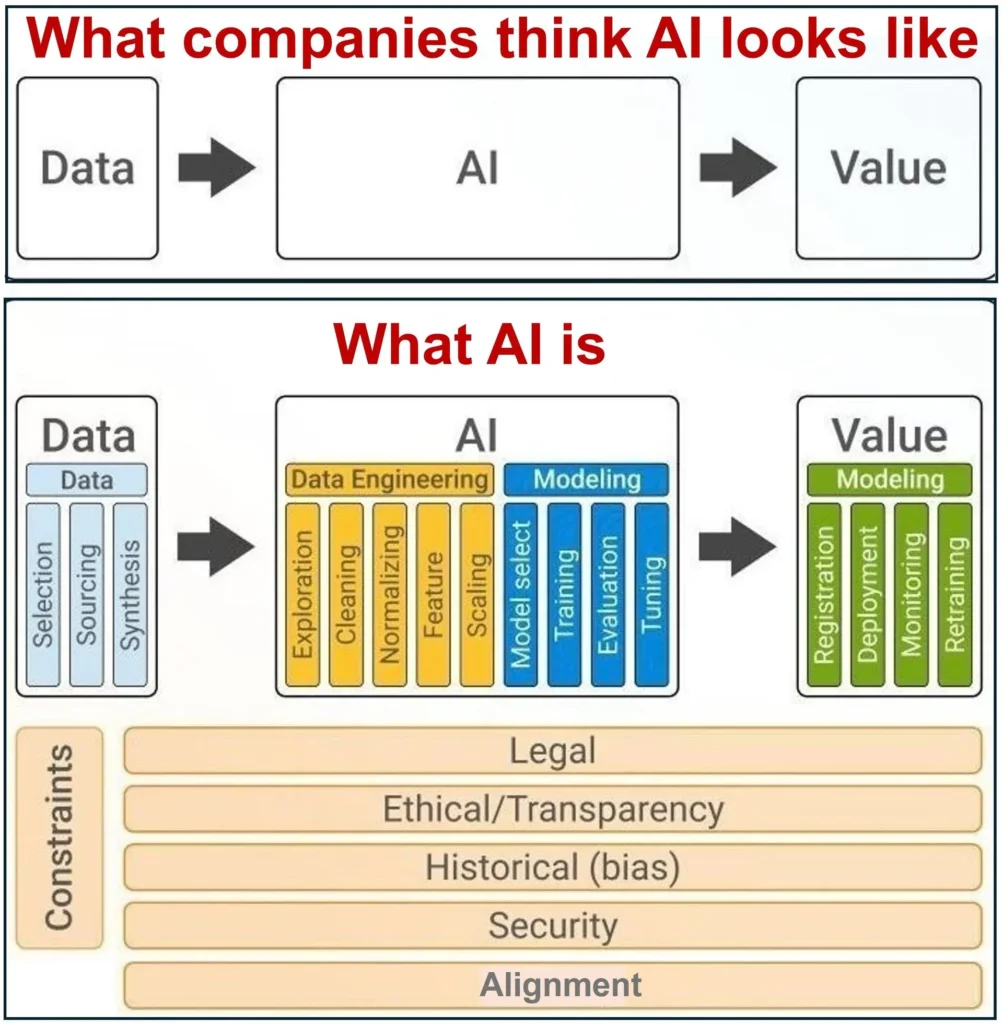
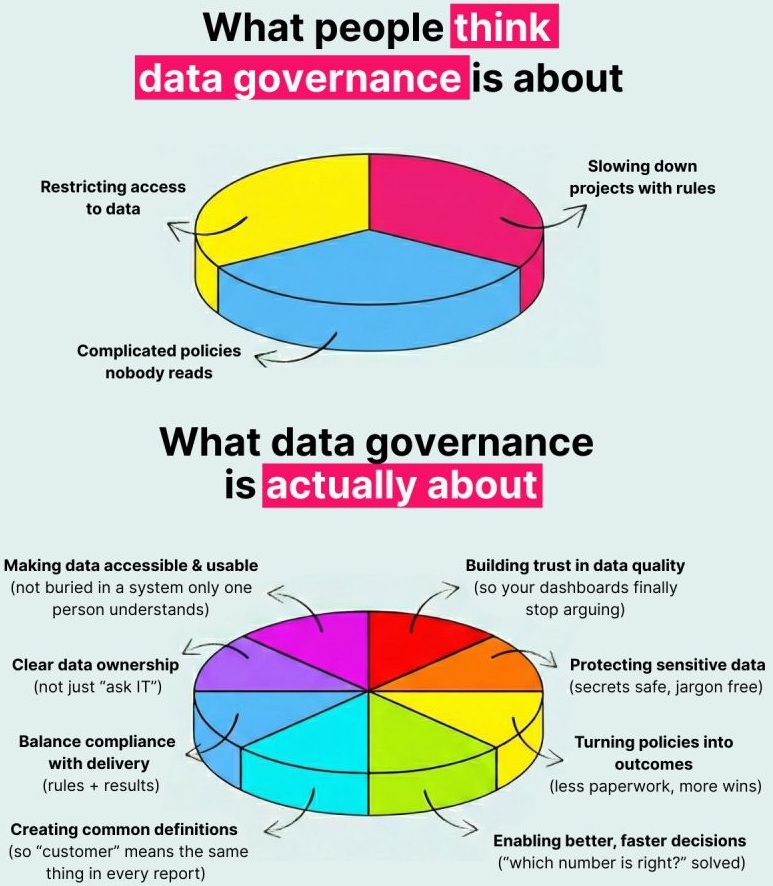
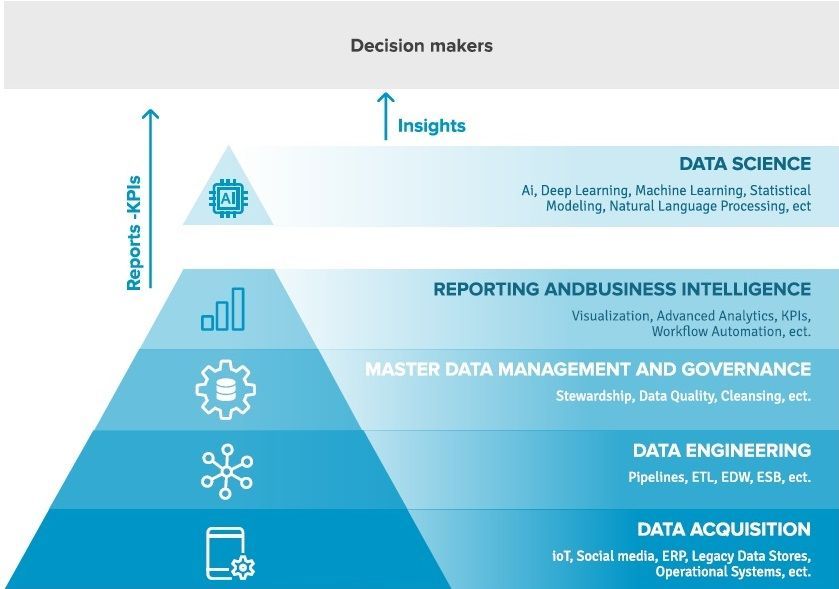
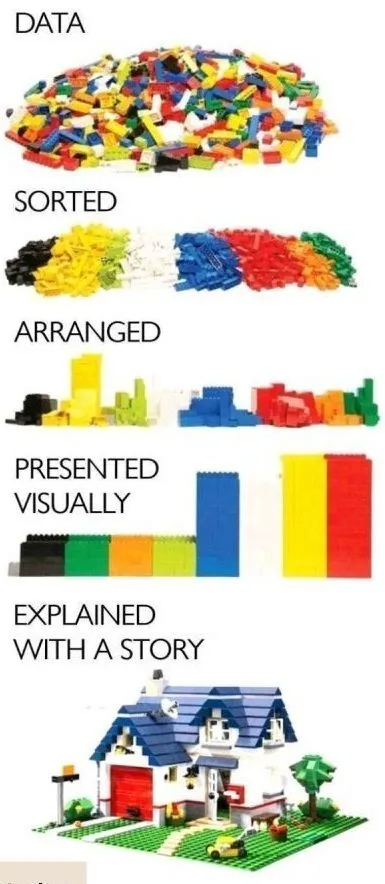
However, focusing just on data, or on technical considerations will not lead to demonstrable business value. Understanding the data value chain is essential:

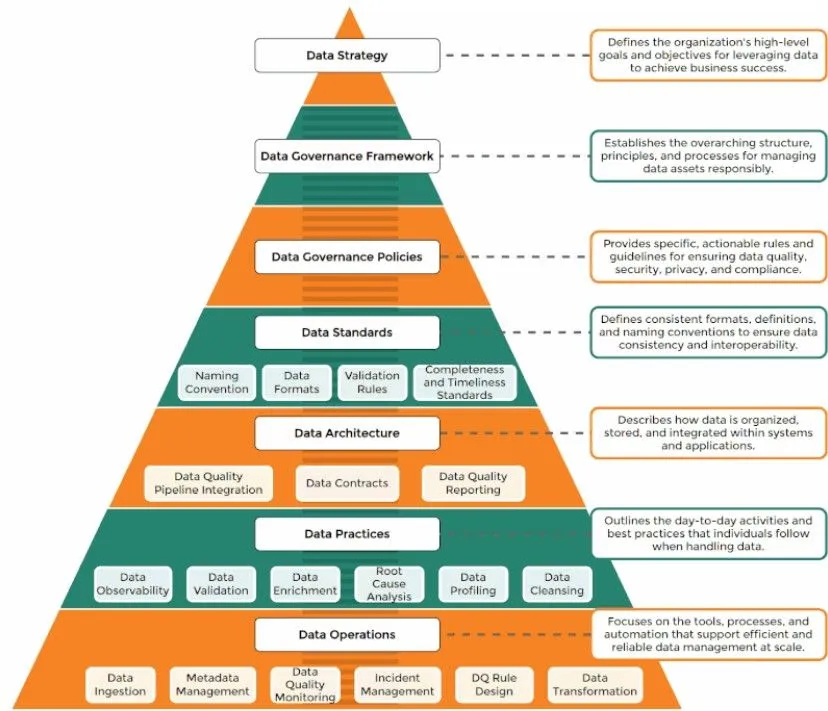
DATA QUALITY PYRAMID

  • Guidance and expectations for data quality originate from the top of the pyramid.
  • Activities related to data quality are primarily located at the base of a data governance pyramid.
  • Data Governance Policies should establish guidelines for maintaining data quality.
  • The actual implementation of data quality begins at the Data Standards level by defining requirements based on conventions.
  • Data practices outline your approach to managing day-to-day activities that ensure data quality.
  • The bottom operational layer involves tasks to address data quality issues, rectify errors, and develop new rules to ensure data quality.

A brief history of data

The amount of data generated by businesses today is unprecedented. As this data growth continues, so do the opportunities for organizations to derive insights from their Data and Analytics initiatives and gain sustainable competitive advantage. Former Google chief executive, Eric Schmidt, observed that “There were 5 exabytes of information created by the entire world between the dawn of civilization and the early 2000’s. Now that same amount of information is being created every 2 days.” An Exabyte is equivalent to 1 billion gigabytes. While perhaps slightly exaggerated, an indisputable fact is that humanity is awash in data. The premise of big data is that all of this information can yield (is yielding) powerful insights. The difficulty is in how to harness the value of data.

A report from MIT says digitally mature firms are 26% more profitable than their peers. McKinsey Global Institute indicates that data-driven organizations are 23 times more likely to acquire customers, six times as likely to retain customers, and 19 times more profitable.  Overall, Data and Analytics today are the next frontier for innovation and productivity in business. But achieving a sustainable competitive advantage from Data and Analytics is a complex endeavor and demands a lot of commitment from the organization. Gartner says only 20% of the Data and Analytics solutions deliver business outcomes. A report in VentureBeat says 87% of Data and Analytics projects never make it to production.

The focus of these courses is to address how organizations can get value from Data and Analytics. Specifically, how can enterprises leverage data, AI (Agentic AI), and BI (Business Intelligence) for competitive advantage? 

 Addressing the 4 V’s of Big Data has become fundamental for data scientists:

  • Volume: The integration of existing enterprise data with Social, Mobile, Cloud, and Internet of Things is driving the data explosion
  • Variety: Capturing all of the structured and unstructured data that pertains to the enterprise decision-making processes
  • Velocity: The rate at which data arrives and the time required to process and understand it
  • Veracity: The quality and trustworthiness of the data

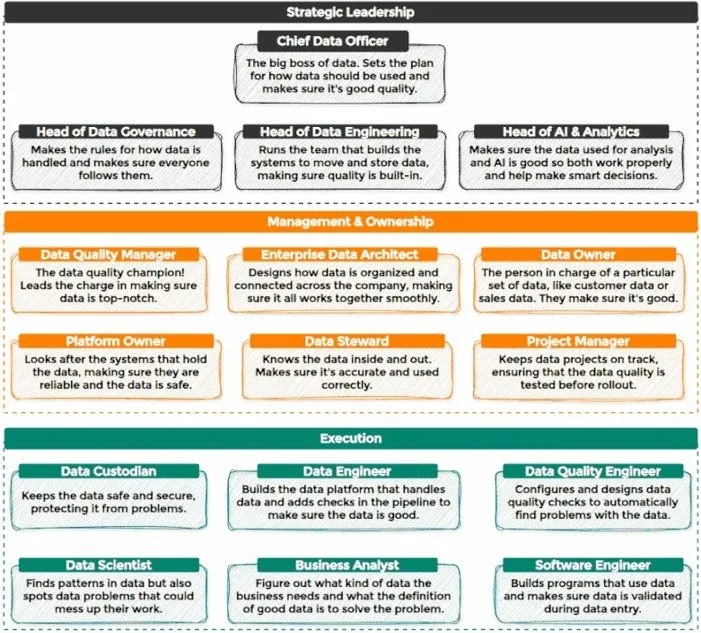
Evolving Data Roles

Furthermore, IT for all companies has traditionally focused on building reports about events that happened in the past. Big data and business analytics are now shifting the focus of IT. Instead of just looking backward, IT can develop (and the business can leverage) the capabilities for looking forward. To be able to take advantage of these new capabilities, organizations must recognize that the conventional model requiring data in the warehouse to be ‘clean’ and ‘structured’ must change. Organizations have to get comfortable with the idea that data can (and will be) ‘messy’ and unstructured, and that they will have to use external data sources (which have typically not been pulled into enterprise data warehouses) in new innovative ways. The complexity of this requirement is compounded by the traditional exponential growth of data in concert with the growth of data brought by the Internet of Things.

Business Intelligence versus Data Science

Global demand for big data and AI expertise continues to far outpace supply, creating a critical talent gap that prevents organizations from fully capitalizing on their data assets. While early forecasts highlighted shortfalls of up to 190,000 deep analytical professionals in the U.S. alone, today’s shortage spans the entire data value chain—from data engineers to executive leaders. This persistent gap is driven by a lack of specialized university, professional, and executive education programs designed to prepare leaders to effectively bridge technical execution with business strategy.

The World Economic Forum estimates that over 130 million jobs will be created globally in new professions, where demand for data scientists, software engineers, and a myriad of roles requiring digital skills is growing rapidly. In addition, successful managers and leaders increasingly require a strong working knowledge of digital technologies, as well as 21st-century leadership skills, including the ability to be adaptable, innovative, and creative.

While it is important to understand how to leverage your organization’s data/information assets (from marketing to research to talent analytics), IT and business partners must effectively work together to recognize what questions need to be asked. This certificate combines the technical, managerial, and industry skills necessary to deploy this important new technology. Based on the candidate’s background and anticipated engagement in BI, this program can help prepare the novice or expand the knowledge of an experienced BI professional, as well as the non-IT executive interested in understanding how to leverage this important technology.

The Global Institute for IT Management (GIIM) has developed two 4-course certificate programs to address these important considerations. One, Deploying Analytics (described here), is similar to many university IT analytics programs that are being offered, albeit with a stronger focus on industry and practical considerations. Second, the Managing Data as an Asset Certificate focuses on the leadership, management, and industry skills necessary to leverage these important new technologies and derive value from data.

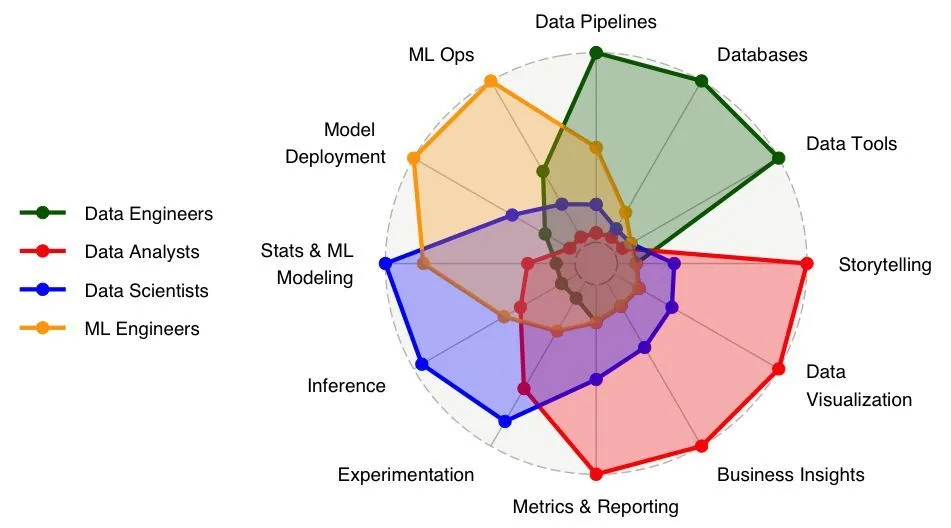
Data Positions and Careers

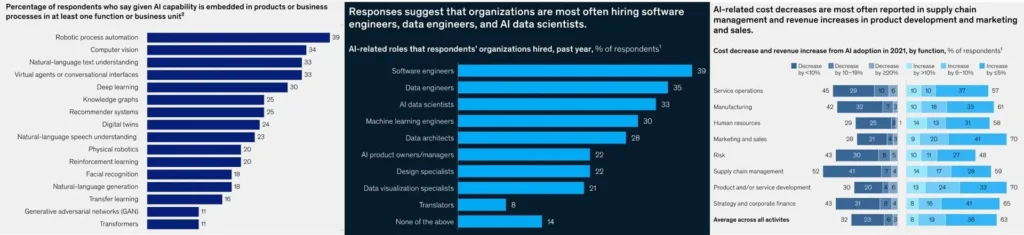
The courses in this certificate focus on managing the technical considerations for implementing and integrating the information technologies that are required to have a successful/valuable big data and business analytics/knowledge management strategy across the enterprise, including robotic process automation, Cognitive Computing, AI (Agentic AI), Blockchain, IoT (Internet of Things), Bring-Your-Own-Infrastructure,  and security.

Scroll to Top