
More About GIIM's Digital Manufacturing & Engineering Program
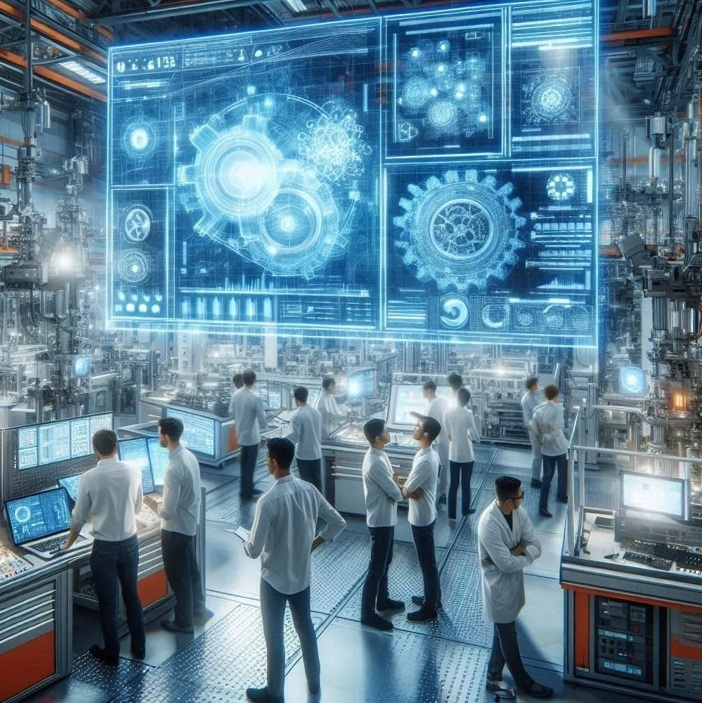
- While digital transformation is a long-term journey, early adopters are already proving its immense value. Industry leaders are deploying artificial intelligence, robotics, digital twins, and the Internet of Things (IoT) to optimize production, improve product quality, and drive sustainable growth.
- As operations evolve, the nature of manufacturing/engineering work is also shifting. Rather than eliminating jobs, automation and advanced technologies are transforming them—replacing manual tasks with high-tech oversight, data analysis, and engineering problem-solving. True innovation happens when human judgment, creativity, and leadership combine with intelligent machines to drive the future of industry.
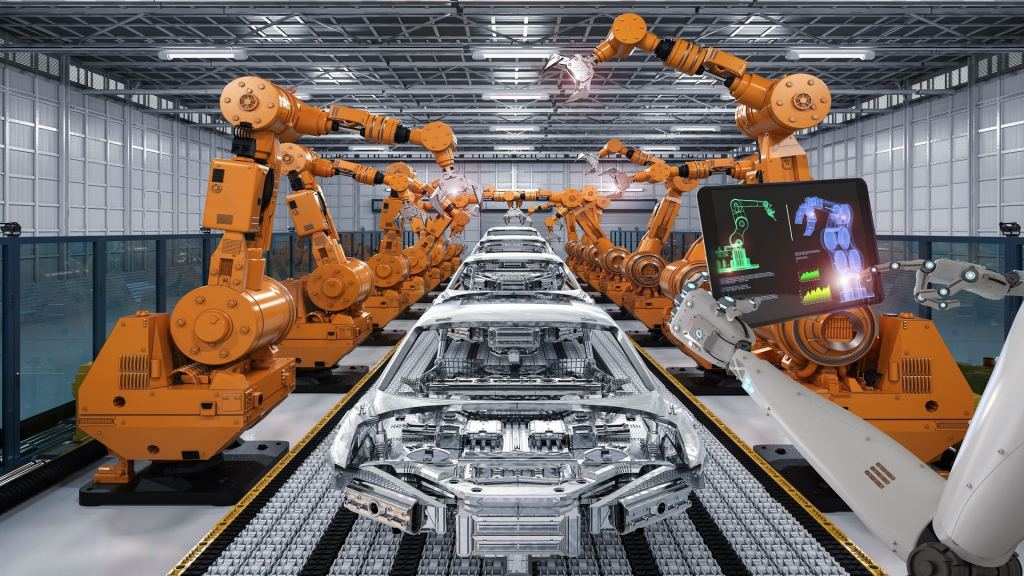
While manufacturing has long been taking advantage of automation, new AI-powered robotics systems are now capable of performing increasingly complex assembly tasks that once required human dexterity and decision-making. The World Economic Forum predicts that up to 20 million manufacturing jobs globally could be eliminated by 2030. Workers without specialized skills or technical training face particularly bleak prospects as manufacturing companies invest in AI to replace low-skill assembly and production roles.
The engineers’ role has changed from performing solely technical operations to being involved in the integration of engineering, technology, and business operations. This certificate provides this critical education by graduating engineers who understand the increasing demand for efficiency, effectiveness, and integration in engineering and business operations across varied industries. The courses are designed for IT and non-IT professionals in the manufacturing/engineering industry whose roles involve leveraging digital manufacturing/engineering industry opportunities to provide demonstrable value from their IT investments, in light of the digital transformation and emerging information technologies (e.g., AI, blockchain, social media, analytics, big data, robotics), while addressing important considerations like providing a secure infrastructure and hybrid work environment.
Naturally, having accurate, accessible, secure data is fundamental to a successful AI initiative, thus providing additional topics addressed in this program. The integration of IT and manufacturing/engineering has become essential. The courses in this certificate will provide candidates (IT and non-IT professionals and executives) with the tools, methods, techniques, and standards to derive strategies and plans to leverage current and emerging information technologies.
Example of AI's Impact improving efficiencies, accuracy & accessibility
Generative Design & R&D Acceleration
Generative Site & Component Design: Uses AI models to rapidly evaluate structural constraints, generating optimal site layouts and engineering designs in 3D.
Accelerated Materials Science: Expedites experimental design and materials simulation to shorten time-to-market for new product introductions.
Predictive Maintenance & Asset Health
Intelligent Asset Management: Monitors machine telemetry and sensor data to forecast equipment failure, schedule proactive maintenance, and minimize unscheduled downtime.
Process Control & Throughput Optimization: Dynamically adjusts operational parameters to improve processing efficiency, boost yield, and reduce conversion costs.
Smart Quality Control & Mass Customization
Automated Quality Assurance: Employs computer vision and defect detection models to optimize assembly lines and reduce product errors.
Flexible Small-Batch Production: Enables agile re-tooling and cost-effective single-run customization without sacrificing unit economics or line efficiency.
Supply Chain Resilience & Sustainable Operations
Adaptive Supply Chain Management: Forecasts disruption risks and dynamically adjusts procurement and production routing to maintain operational flexibility.
Emissions & Resource Reduction: Optimizes energy consumption and operational workflows to lower greenhouse gas emissions and meet sustainability targets.
Workforce Enhancement & Safety Intelligence
Virtual Engineering Field Assistants: Provides real-time guidance, technical documentation lookup, and troubleshooting support to engineers in the field.
Personalized Safety (OHS) Training: Uses risk data and behavioral insights to deliver targeted occupational health and safety training modules to plant personnel.

As artificial intelligence, robotics, and advanced IT architectures reshape how global manufacturing and engineering organizations operate and compete, the central question is no longer whether automation will augment human capability—it is how leaders will orchestrate both to unlock unprecedented levels of innovation, productivity, and enterprise value.
In an era of exploding product complexity, traditional, sequential engineering workflows cannot keep pace. Forward-thinking organizations are moving from rigid modeling to quantitative, AI-driven exploration. By integrating AI design copilots, digital twins, generative design, smart factory IoT, and cognitive analytics, engineering teams can explore thousands of possibilities in minutes, detect system-level risks early, and seamlessly connect shop-floor systems with enterprise-wide strategy.
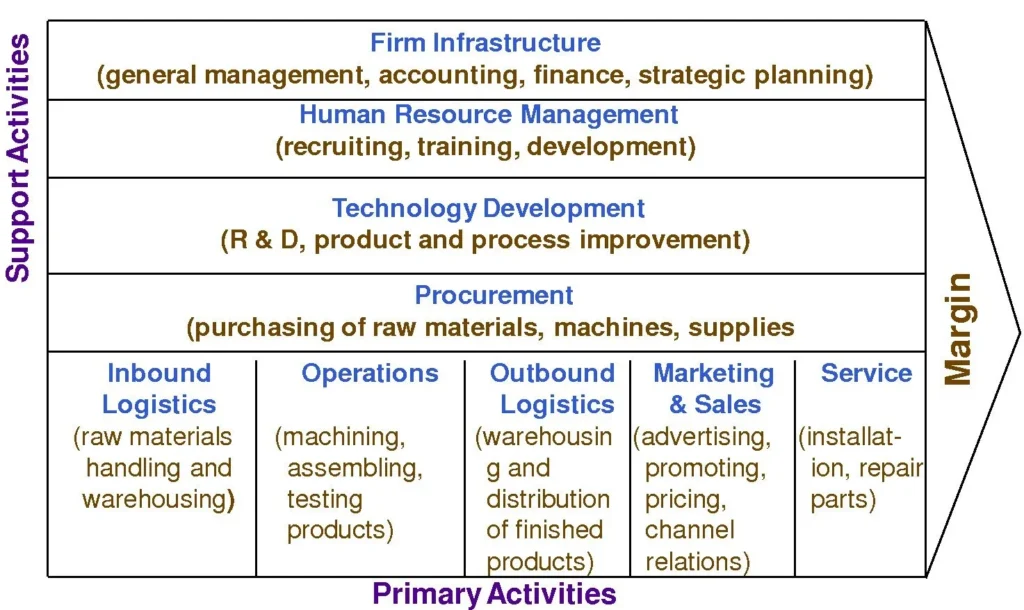
Designed for technical leaders and managers, this program builds the cross-functional expertise needed to navigate the entire product lifecycle—from raw material sourcing and digital product design to smart factory automation, supply chain resilience, and product delivery. Participants will master how to align business strategy with emerging technology architectures (including AI, industrial IoT, robotics, edge computing, and blockchain) to build agile, data-driven manufacturing enterprises.
By bridging human creativity with intelligent exploration, technical leaders have a unique opportunity to eliminate operational friction, optimize capital expenditure, and dramatically reduce time-to-market. The future of manufacturing is connected, intelligent, and sustainable—and those who master this digital orchestration today will set the pace for industrial innovation tomorrow!

The manufacturing and engineering industry has changed dramatically in just a few years. Accelerating smart factory automation, maximizing operational uptime, and shifting toward agile, data-driven product lifecycles are no longer optional—they are core competitive imperatives driven by Industry 4.0 and digital transformation. To succeed, executives must understand how modern digital ecosystems bridge the gap between traditional shop-floor engineering and enterprise-wide IT strategies, ensuring both operational resilience and long-term market competitiveness.
To effectively lead this transformation, modern executives must master a core set of strategic competencies:
Integrate the Product Lifecycle (PLM): Seamlessly connect digital engineering data, computer-aided design, and lifecycle management systems directly with manufacturing execution and supply chain operations.
Lead Smart Factory & IoT Modernization: Deploy industrial internet of things (IIoT) sensors, edge computing, and AI-driven automation to transform traditional shop floors into connected, autonomous production environments.
Align Cross-Functional Strategy & Technology: Bridge the historical gap between information technology (IT) and operational technology (OT) to ensure seamless data flow from the plant floor to the executive suite.
Optimize Supply Chain & Operational Resilience: Leverage predictive analytics, digital twins, and automated inventory systems to anticipate bottlenecks, reduce downtime, and ensure agile manufacturing execution.

Ideal for: Manufacturing Executives, Plant Directors, Engineering Vice Presidents, Supply Chain & Operations Leaders, Smart Factory Directors, and Digital Transformation Strategists.