{{post_title}}

Target Participants

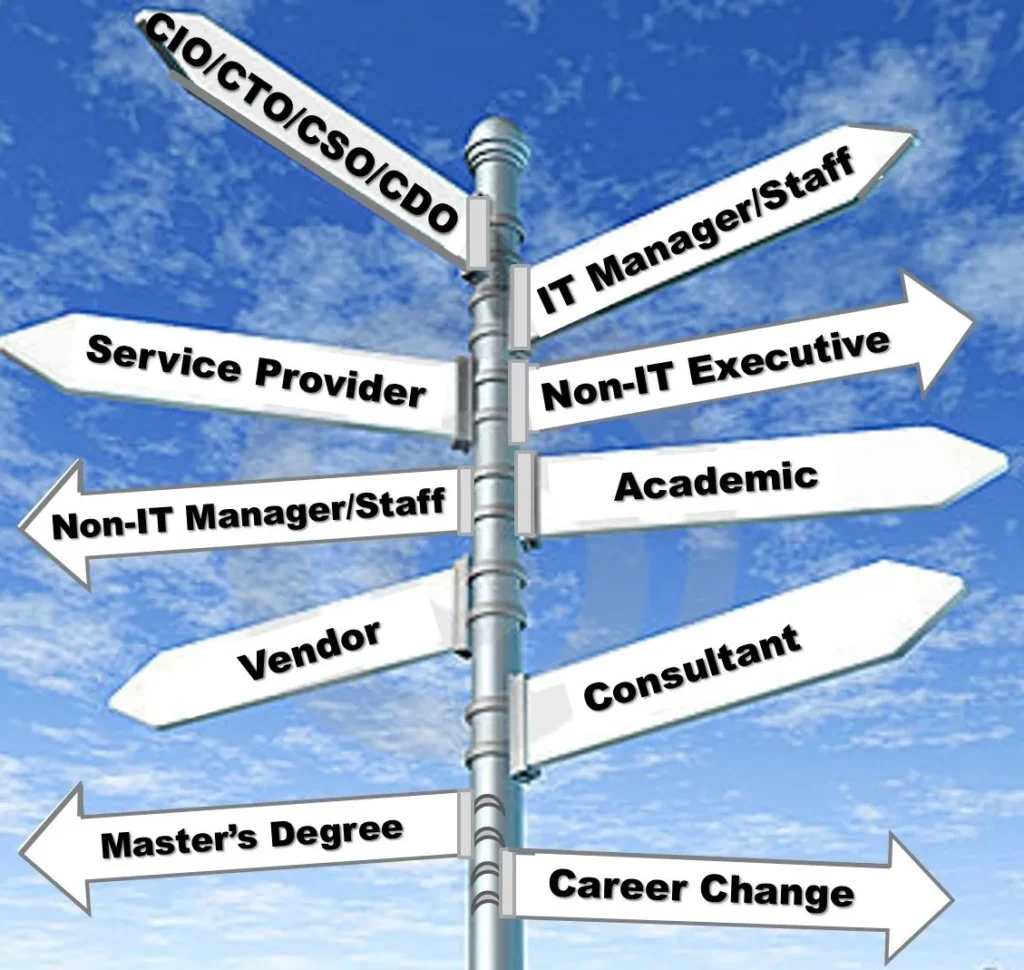
Business professionals (both IT and non-IT) at every level, globally, striving to navigate and thrive in the ever-evolving digital transformation.

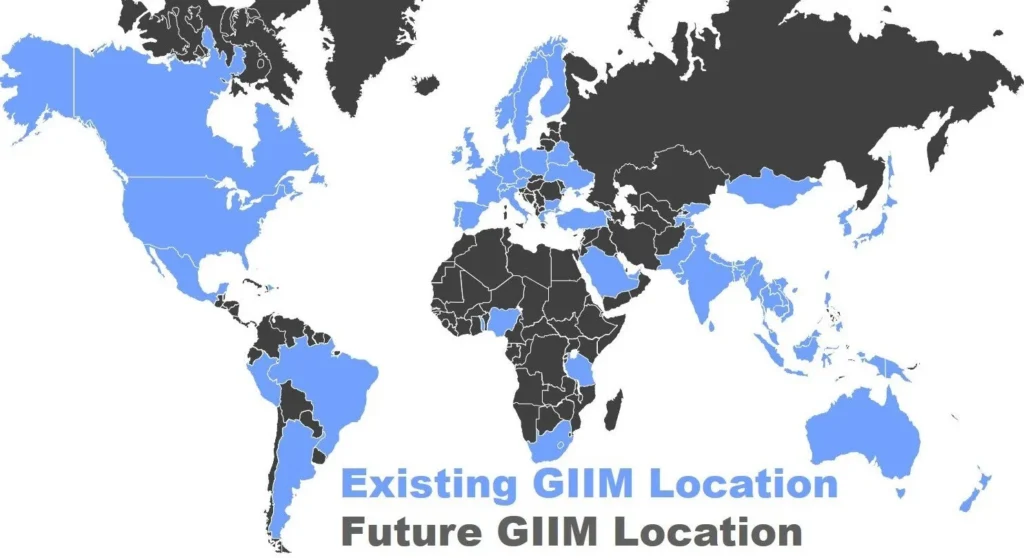
  • GIIM typically has in excess of 1,000 students/candidates, representing more than 40 countries from over 150 affiliate organizations / universities, being taught by its 300+ faculty members.
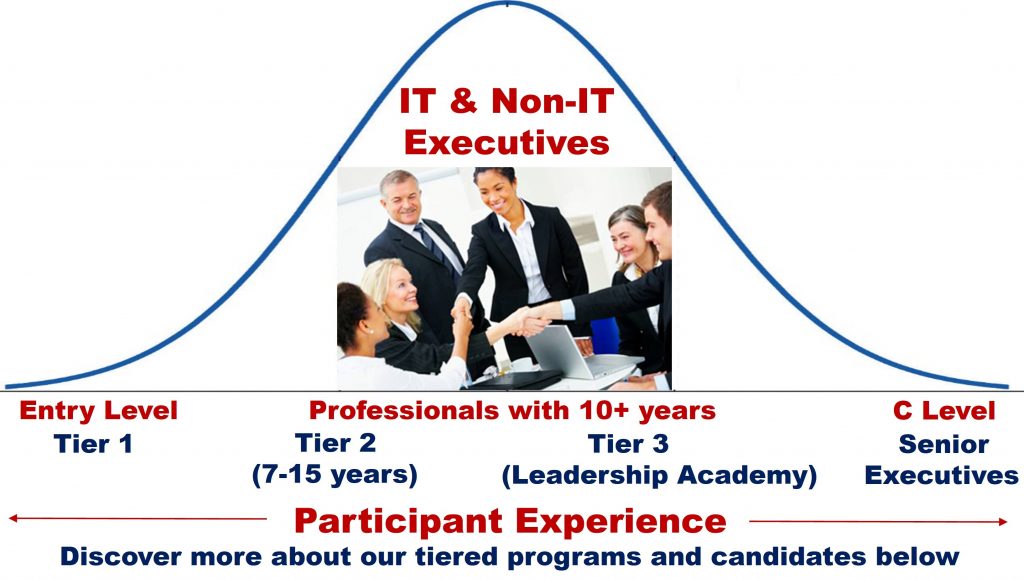
  • The sweet-spot for GIIMs 35 4-course certificates are IT professionals & consultants with 10+ years of experience; high potential employees that are advancing in their careers.
  • GIIM also offers:
    • shorter customized programs for senior IT and non-IT executives, to help them understand how to leverage IT in their industry/organization
    • Master’s Degrees with our university affiliates
Select the above map to learn more about our global initiatives

GIIM affiliates around the globe leverage the breadth of GIIMs digital management education programs and faculty to expand their portfolio of learning initiatives:

Select picture to meet GIIM affiliates
  • Other Education/Training Companies
  • Non-Profits
  • IT Product Vendor
  • IT Service Providers
  • Individuals with a strong network
  • Commercial/Global Enterprises
  • IT & non-IT Management Associations
  • Other membership-oriented organizations
  • Government Agencies & Contractors
  • Consulting: Management & Technical
  • Recruiters
  • University
    • Degrees
    • Exec/Continuing Education

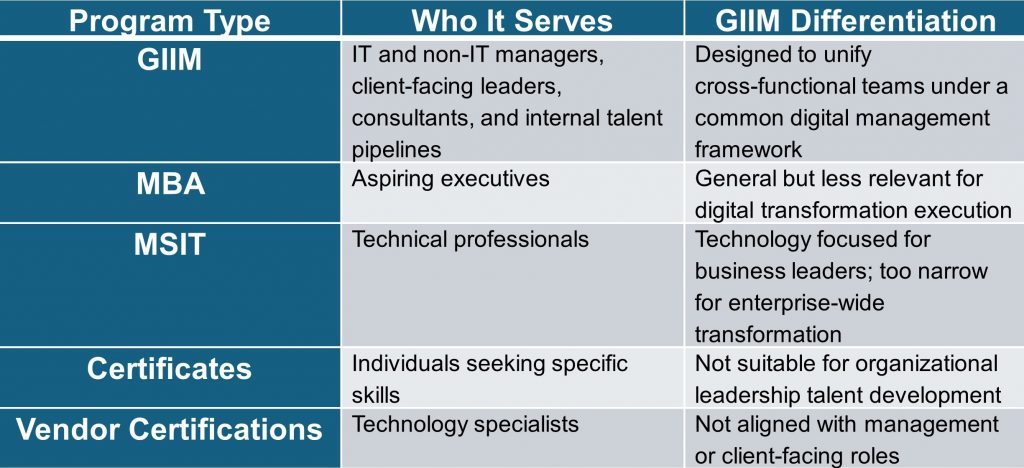
Other institutes do technical training

GIIM makes digITal leaders!

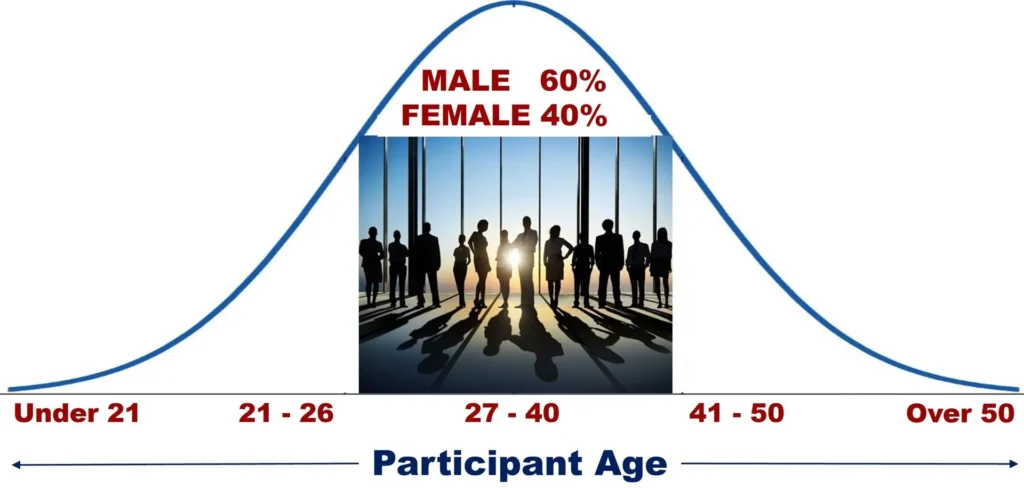
Additional Candidate Demographics:

Course Evaluation After 25,000+ Participants

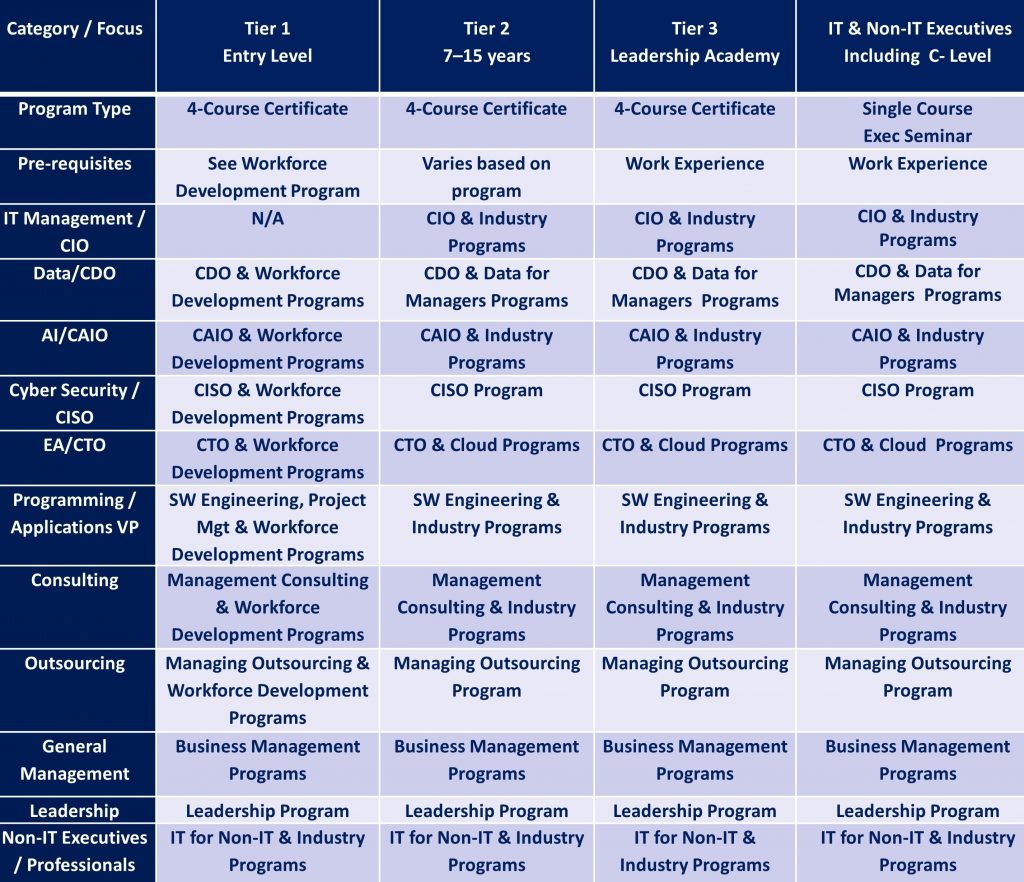
Program & Candidate Tiers

Four Tiers of Experience

1. Tier 1: Foundational/Early‑Career Experience: 0–7 years EU Levels 3-5
  • Focus: Technical execution and skill development
  • Typical Roles:
    • Help desk / support analyst
    • Junior developer
    • Systems/Network technician
    • QA tester
    • Entry‑level cybersecurity or data roles
  • Characteristics:
    • Building core technical competencies
    • Task‑oriented, supervised work
    • Limited architectural or strategic responsibility
    • High learning velocity; strong candidates move quickly into Tier 2
  • Focus: Managing systems, teams, and cross‑functional delivery
  • Typical Roles:
    • Senior engineer / senior developer
    • Systems, network, or cloud engineering
    • IT project manager / Scrum master
    • Business analyst / ERP analyst
    • Cybersecurity engineer
    • Data analyst / data engineer
    • First‑line or mid‑level IT manager
  • Characteristics:
    • Owns platforms, applications, or service domains
    • Leads small to mid‑sized teams
    • Translates business needs into technical solutions
    • Increasing influence on architecture, governance, and standards
    • Often the pipeline for future IT directors and VPs
  • Focus: Strategy, alignment, governance, organization, business/management, enterprise architecture, industry trends, and transformation
  • Typical Roles:
    • CIO
    • CAIO
    • IT Director
    • VP of IT
    • CTO
    • CISO
    • CDO
  • Characteristics:
    • Sets technology strategy and investment priorities
    • Leads enterprise‑wide transformation (cloud, cybersecurity, data, AI)
    • Manages budgets, risk, vendors, and governance
    • Aligns technology and business outcomes
    • Represents IT at the executive table and with the board
  • Focus: Concentrated program dedicated to leveraging IT for competitive advantage, strategy, alignment, governance, industry trends, organization/reporting, business/roles & responsibilities. sponsor and champion leadership, management, transformation decision making
  • Typical Roles:
    • CIO
    • CEO
    • CFO
    • VP of Marketing
    • BU Executive
  • Characteristics:
    • Sets technology strategy and investment priorities
    • Sponsor and champion of digital initiatives
    • Manages budgets, risk, governance
    • Aligns technology and business outcomes
    • Represents the enterprise at the executive table and with the board
    • Build skills‑based career pathways
    • Identify leadership pipelines
    • Align compensation and expectations
    • Plan for succession, especially for C-level roles
    • Prepare sourcing strategies
    • Understand where candidates will reshape work across tiers

Most Popular Programs By Participant

IT Non-Executive

  • Leadership in Business-IT Management

  • Digital Industry Programs

  • Managing IT Vendors & Outsourcing

  • Business-IT Management Consulting

  • Business Process Management

  • Supply Chain Management

  • Managing IT Legal Issues

  • IT Human Resource Considerations

  • CDO Certification

  • Managing Data as an Asset

  • Managing Cloud Computing

  • CTO Certification; IT Infrastructure Integration

  • CISO Certification; Cyber Security Management

  • Social/Mobile Computing

  • Project Management

  • Software Engineering

  • AI

  • Blockchain

  • Technology Enabled Learning

  • Workforce Development

  • Effective English Business Communications

  • IT Digital Marketing Certification

  • Digital Business, Management, & Leadership

IT & Non-IT Executive

  • Leadership in Business-IT Management

  • Digital Industry Programs

  • IT for the Non-IT Executive

  • Managing IT Vendors & Outsourcing

  • Business-IT Management Consulting

  • Business Process Management

  • Supply Chain Management

  • Managing IT Legal Issues

  • IT Human Resource Considerations

  • Managing Data as an Asset

  • Managing Cloud Computing

  • AI

  • Blockchain

  • Technology Enabled Learning

  • Non-IT Digital Marketing Certification

  • Digital Business, Management, & Leadership


GIIM vs. Other IT Management Education Programs

Select above table to learn more about what sets us apart
Scroll to Top